For a busy bus depot, keeping vehicles clean is about much more than maintaining appearances. Washing equipment needs to work reliably, process vehicles efficiently and deliver consistent results without creating unnecessary disruption to daily operations.
For Stagecoach Exeter, its previous washing equipment was increasingly struggling to meet those demands. Unreliable operation, inconsistent cleaning results and insufficient processing capacity meant the existing system was no longer delivering what the depot needed.
Serving urban and rural routes across the South West, Stagecoach Exeter operates a mixed fleet of approximately 150 single and double-deck buses. With vehicles moving through the depot as part of a demanding operational schedule, having a dependable and efficient washing facility was an important consideration.
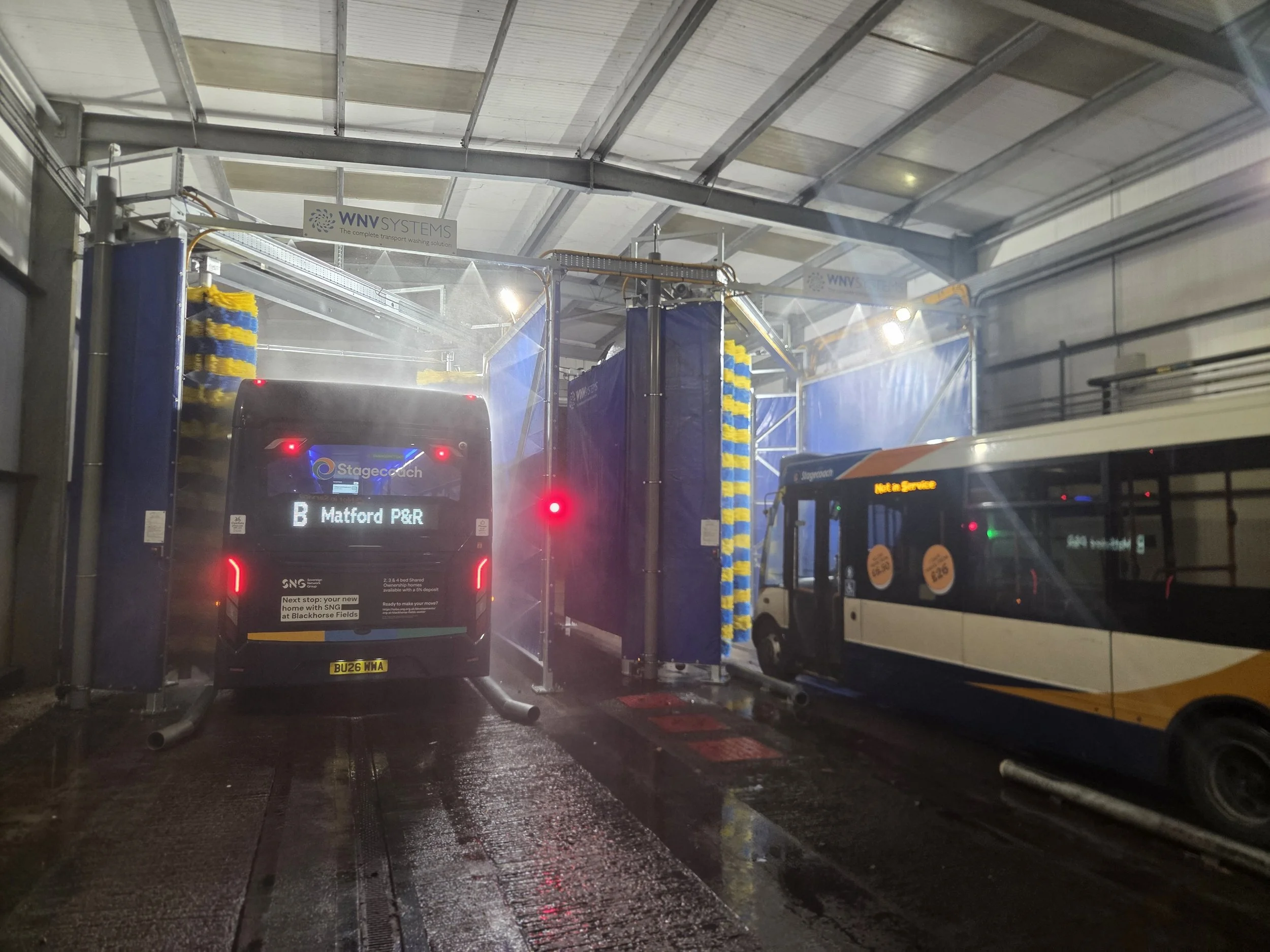
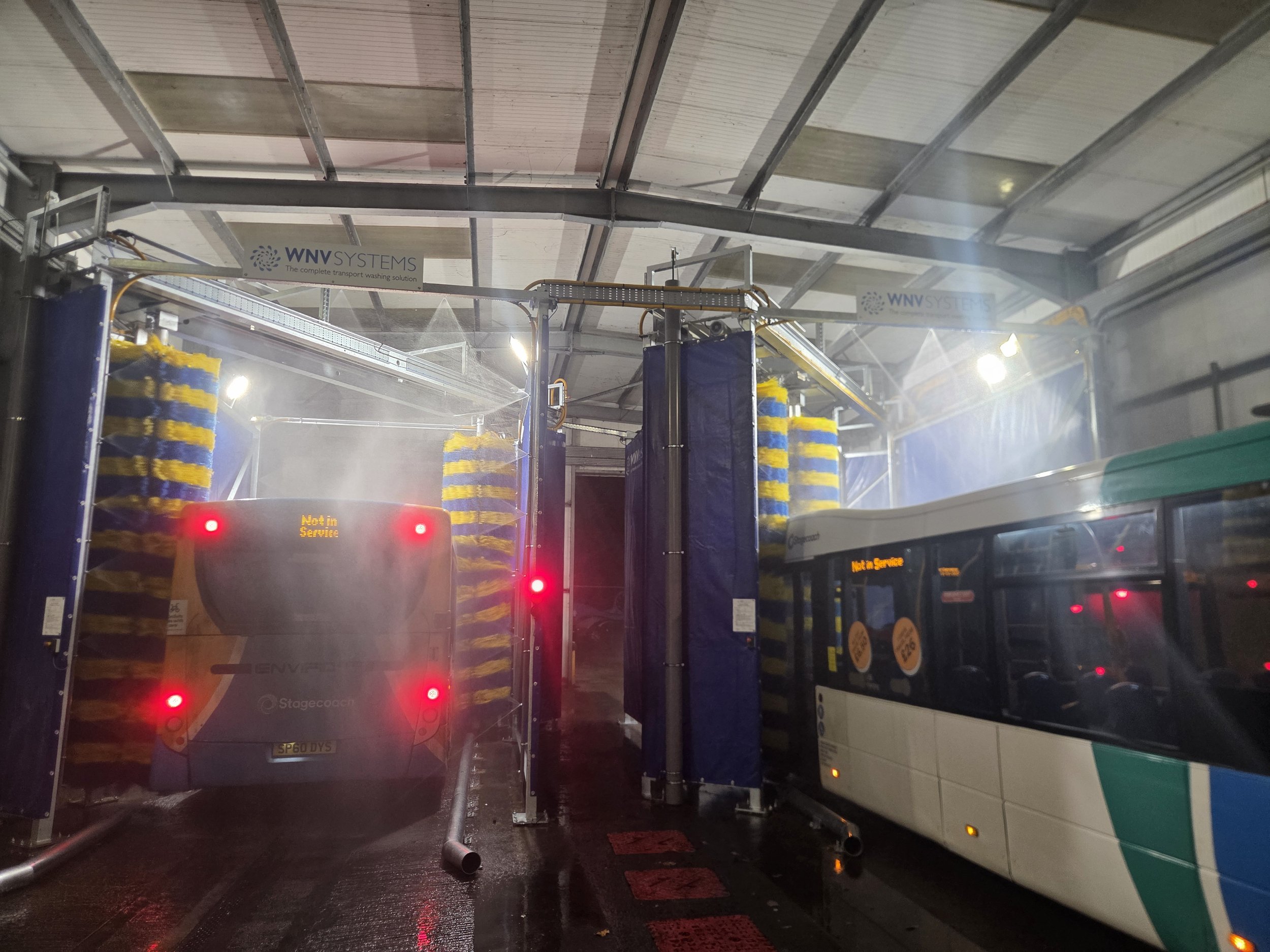
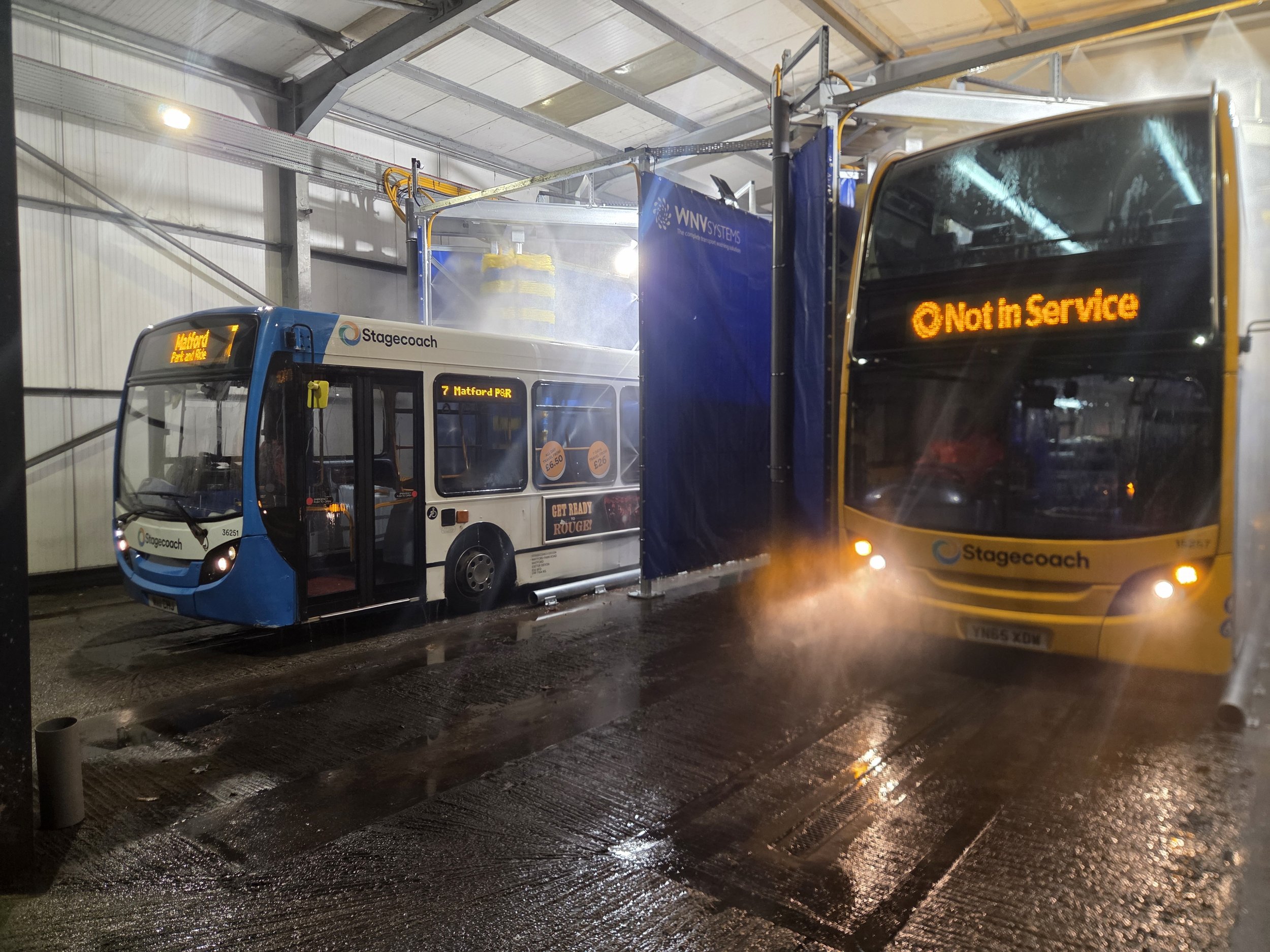
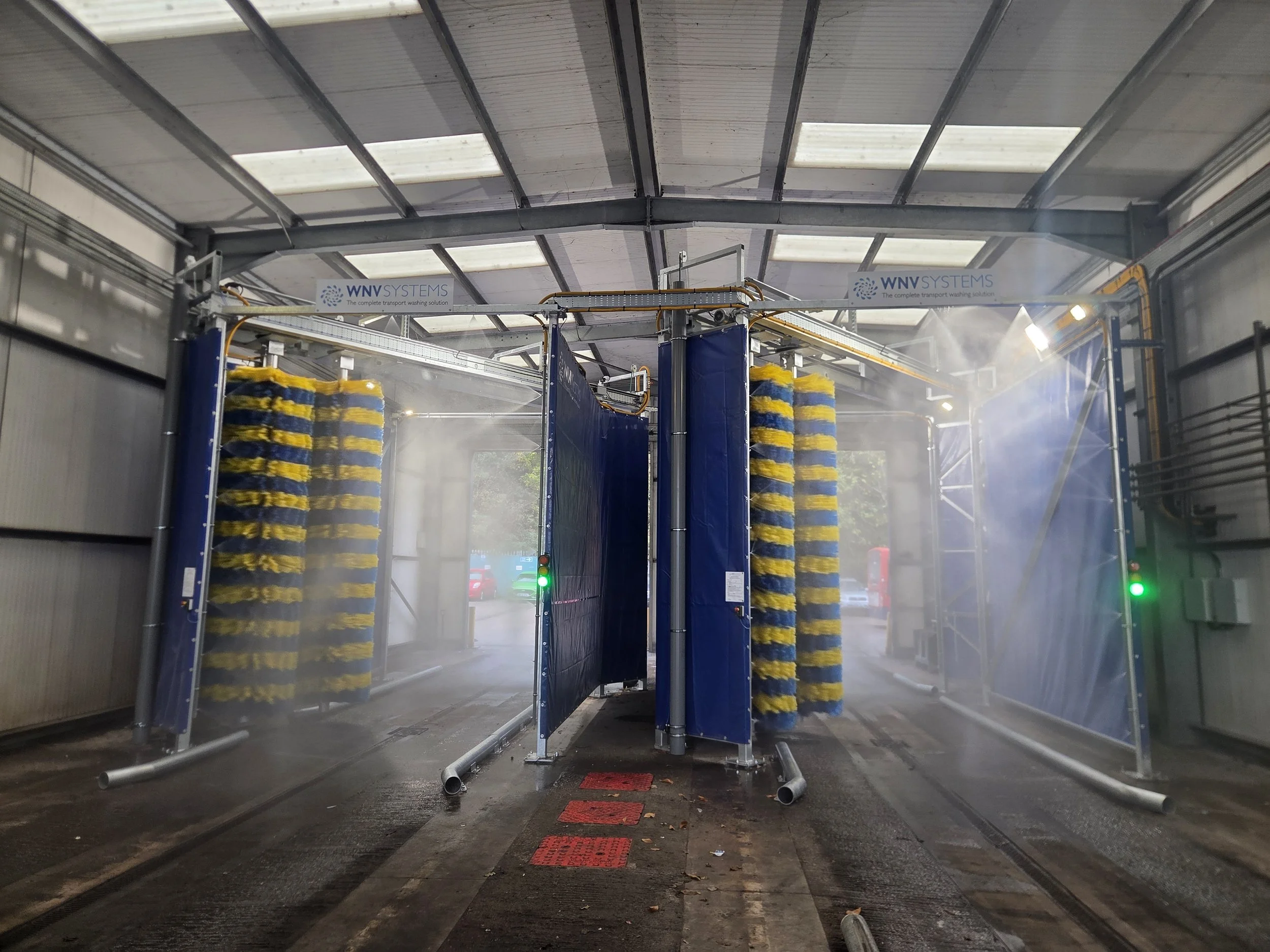
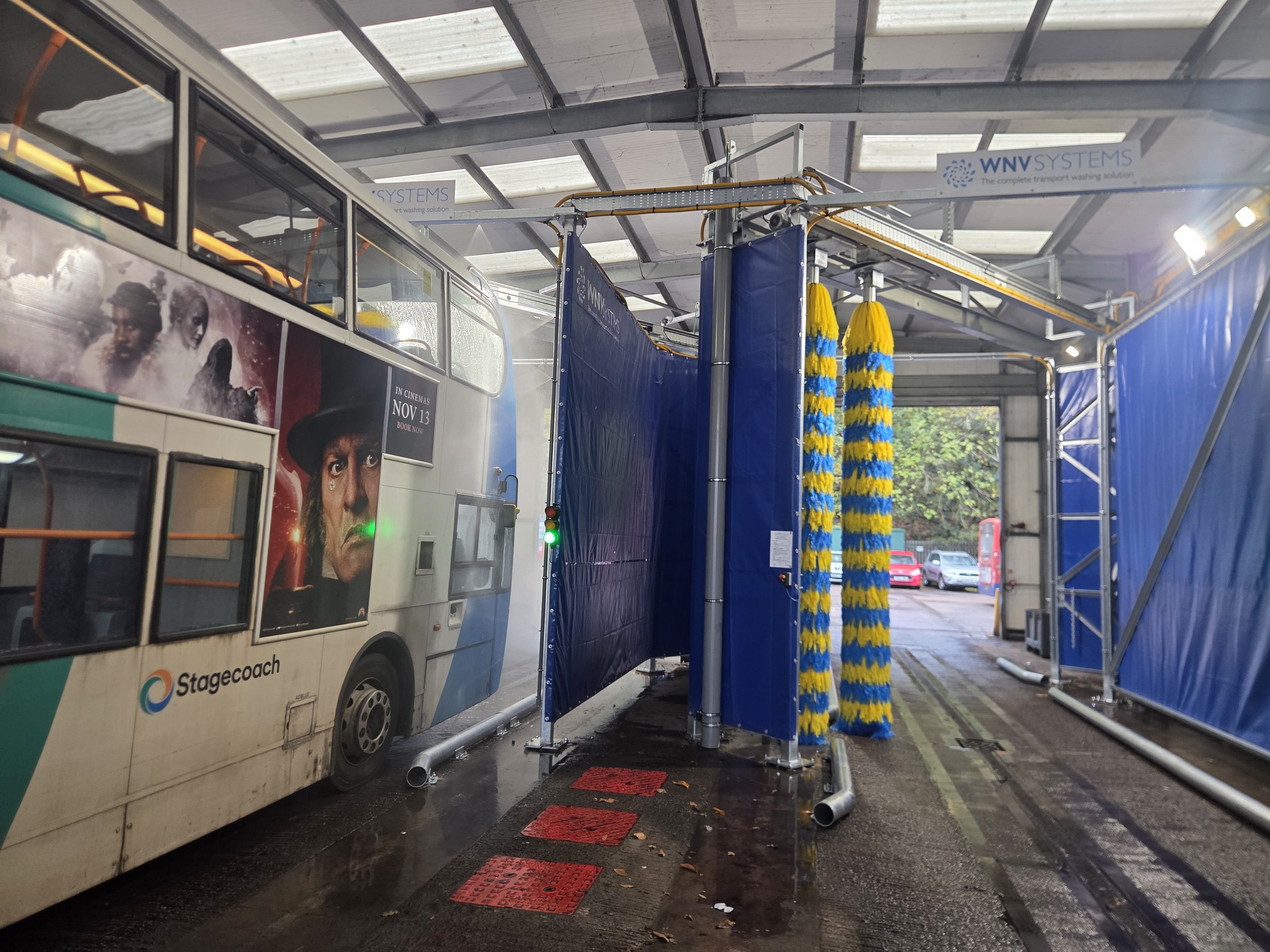
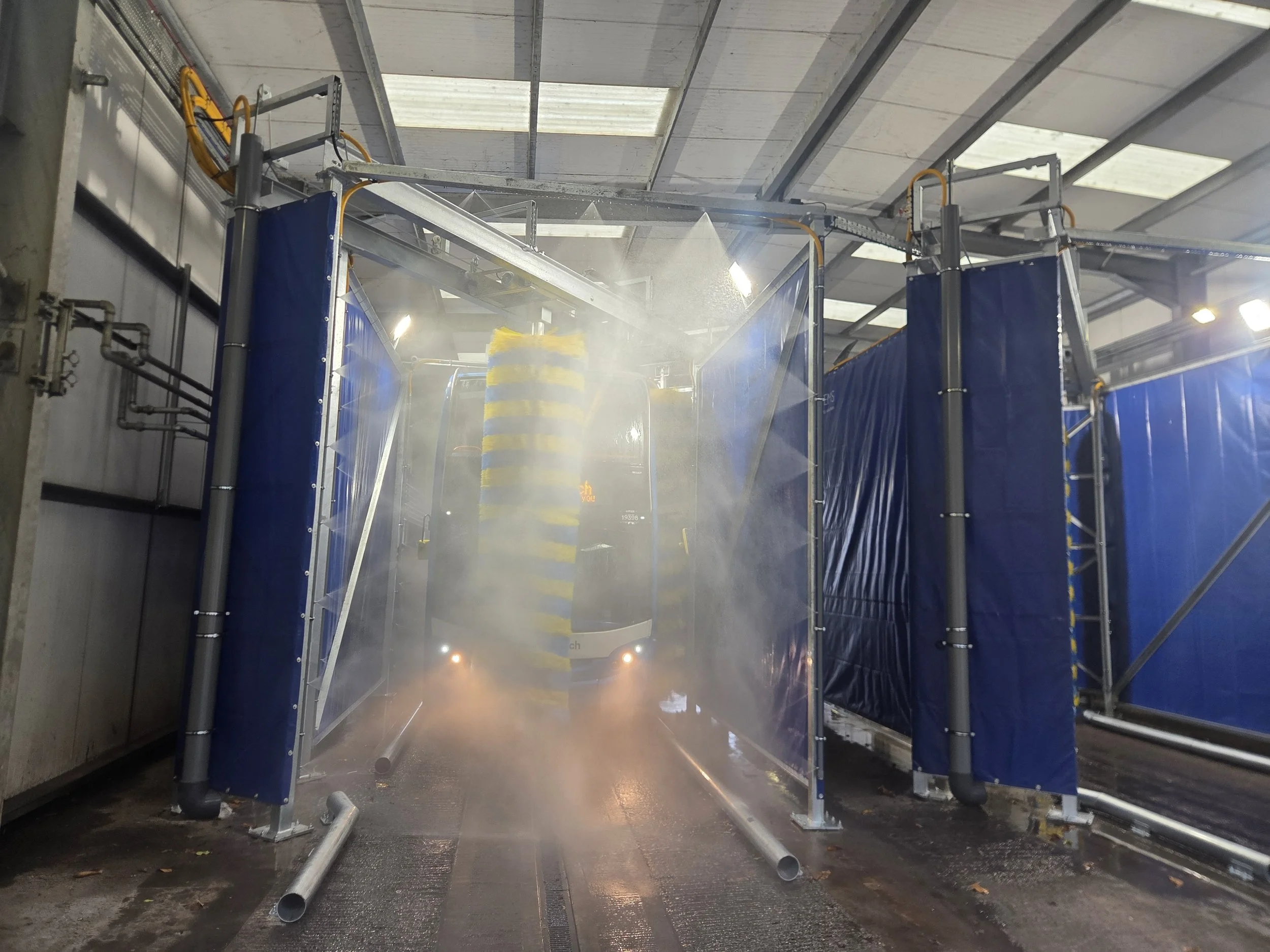
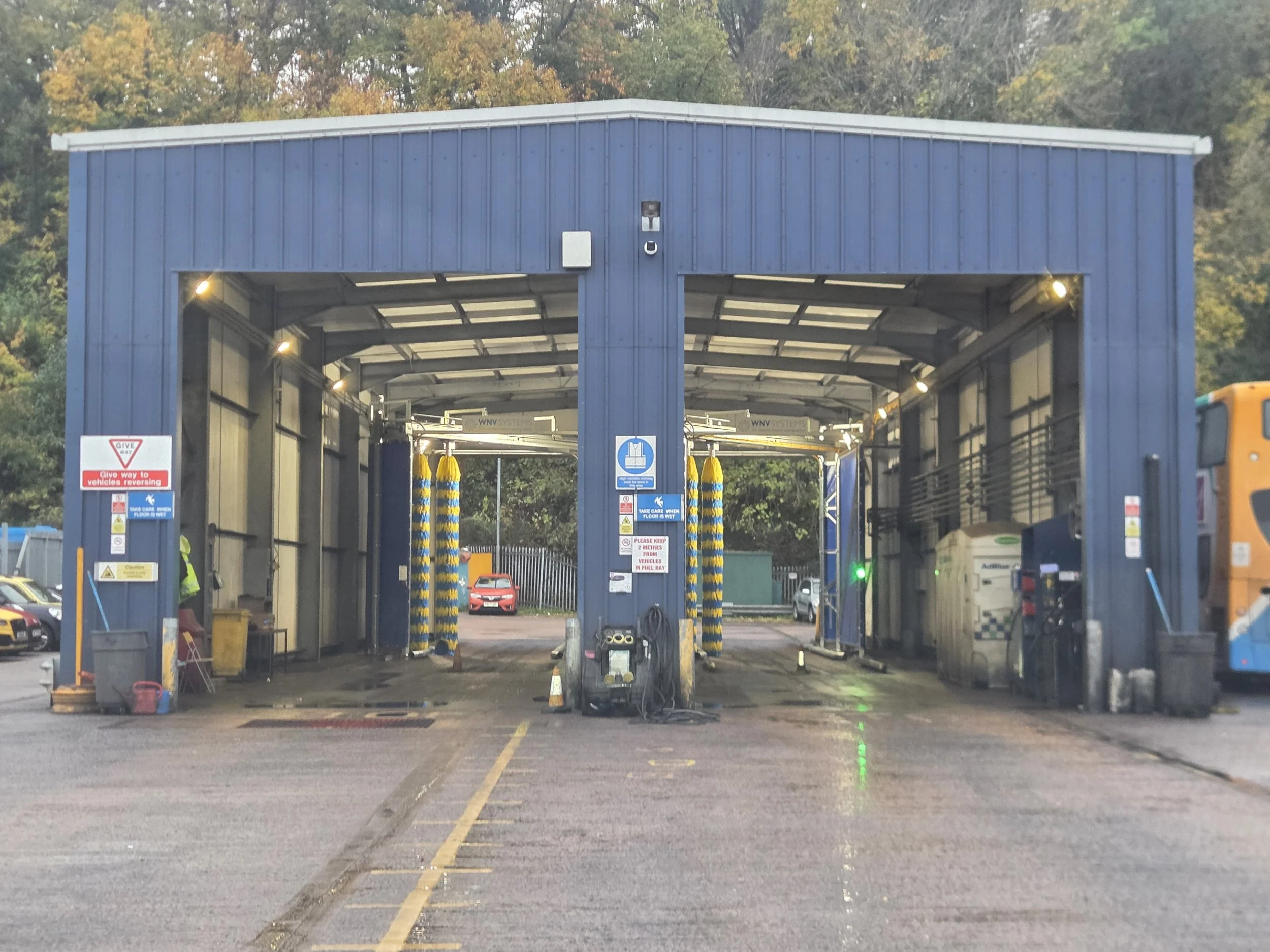
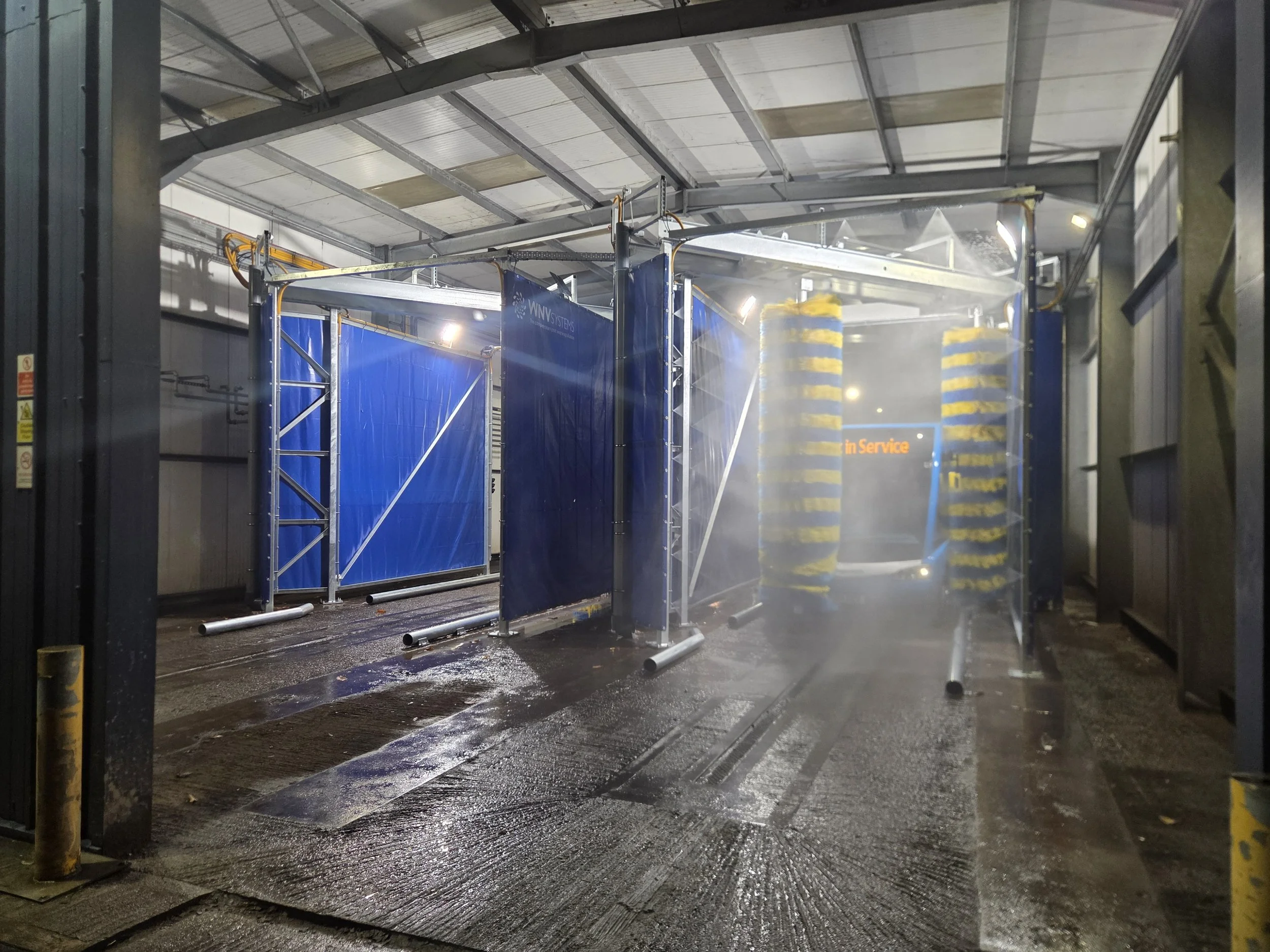
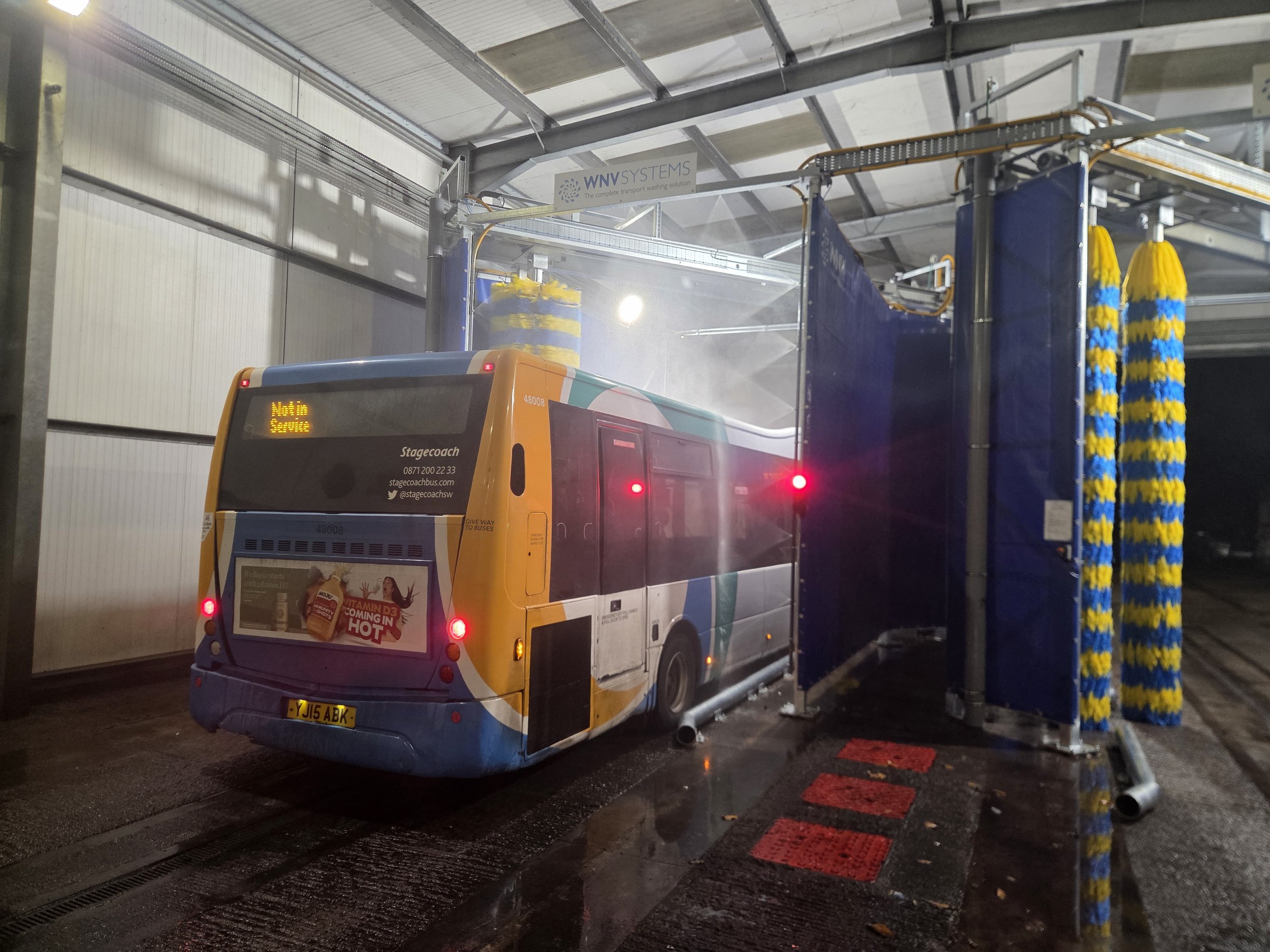
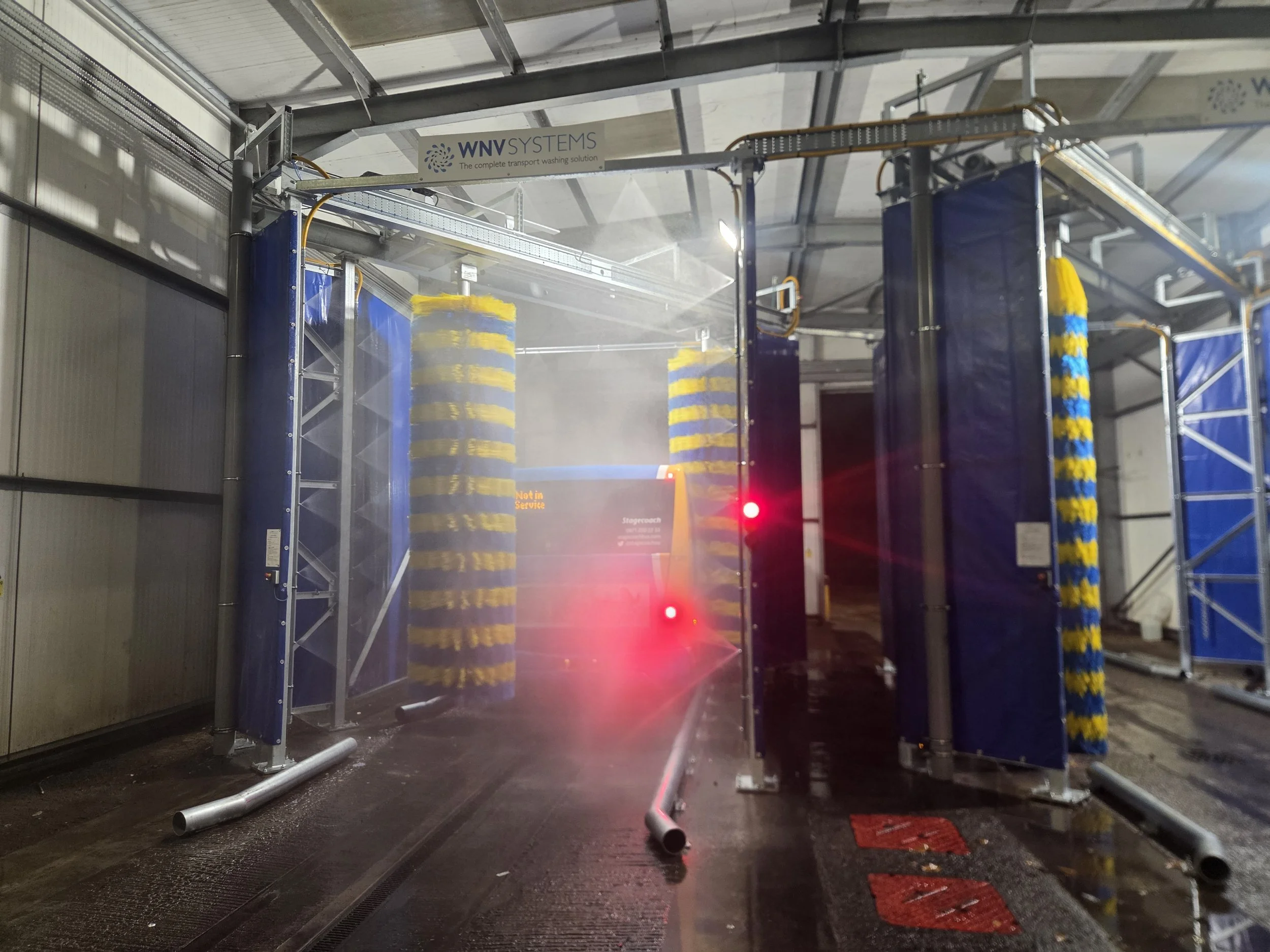
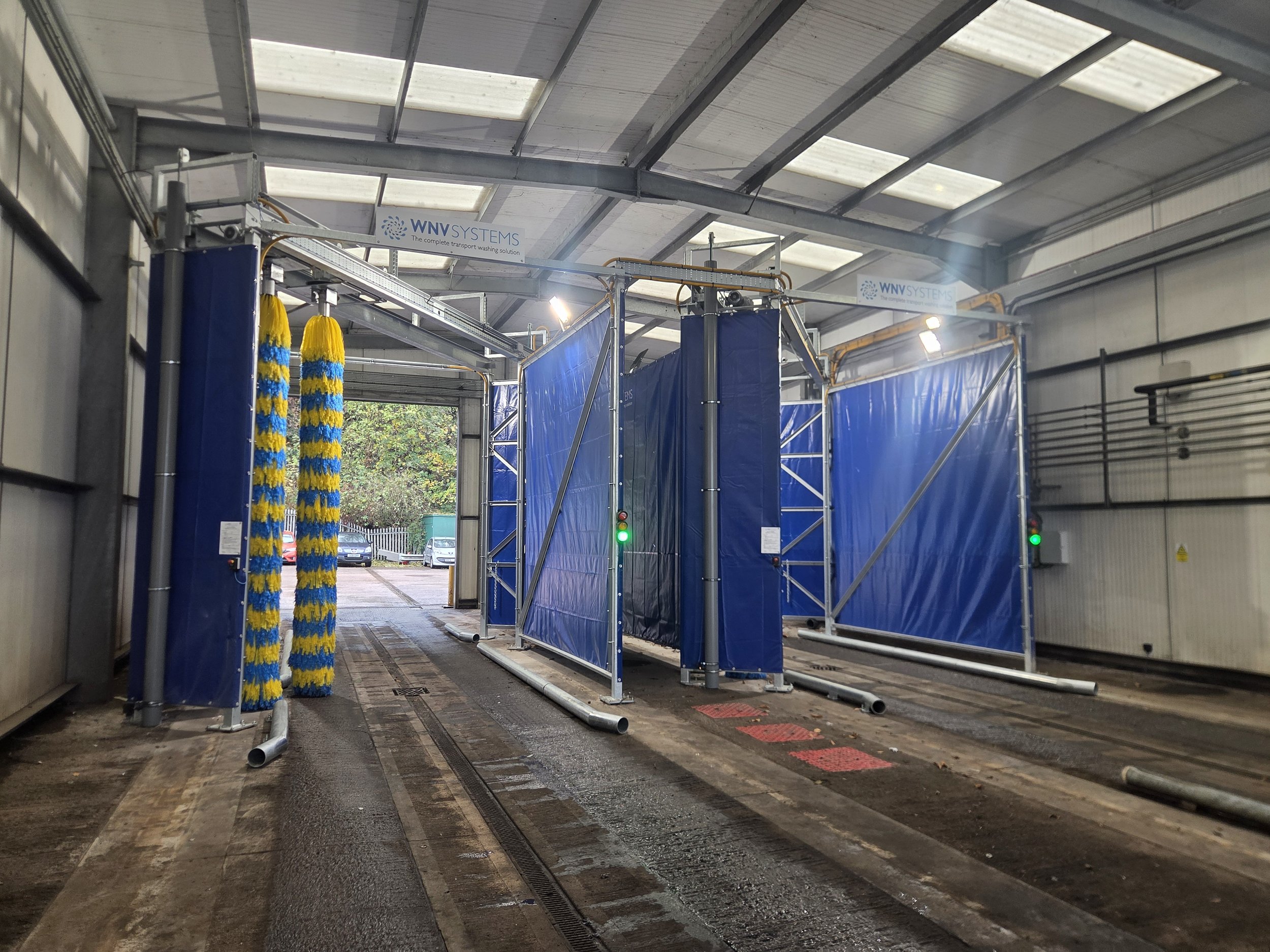
To address these challenges, Stagecoach Exeter worked with WNV Systems to install a new double automated drive-through bus wash, providing a more comprehensive approach to vehicle cleaning.
Addressing the limitations of ageing wash equipment
The decision to invest in new washing equipment came down to three fundamental requirements: reliability, speed and wash quality.
The previous installation had become unreliable and was unable to process buses quickly enough to keep pace with the volume of vehicles operating from the depot. Cleaning results were also inconsistent, making it difficult to maintain the standard of presentation required across the fleet.
Rather than simply replacing the existing equipment, Stagecoach Exeter needed a solution that would improve the overall washing operation and provide the capacity to support its day-to-day requirements.
Reliability was particularly important. In a busy depot environment, washing equipment needs to be available when required, allowing vehicles to move through the cleaning process without unnecessary delays. Equally, the ability to achieve a consistent standard of cleanliness across the fleet was a key consideration.
The new installation was therefore designed around improving the efficiency of the washing process while delivering a better overall clean.
A more complete approach to bus cleaning
The installation combines an automated drive-through exterior bus wash with a dedicated under-chassis wash, giving Stagecoach Exeter the ability to address two important areas of vehicle maintenance within its depot.
The automated exterior wash provides a consistent cleaning process for the bodywork of the buses, helping maintain fleet presentation across the depot's single and double-deck vehicles.
However, exterior cleaning is only part of the picture. The underside of a bus is regularly exposed to road dirt, moisture, salt and other debris, which can accumulate during normal operation. If left to build up, these contaminants can contribute to corrosion and potentially increase maintenance requirements over time.
The addition of a dedicated under-chassis washing system provides a way to tackle this often-overlooked area of vehicle cleaning. By incorporating both systems into the depot's washing operation, Stagecoach Exeter can take a more thorough approach to keeping its vehicles clean.
For operators managing sizeable fleets, this combination is particularly relevant. Maintaining vehicle presentation is important, but so too is looking after the areas that are less visible and can have a longer-term impact on vehicle condition.
Managing installation with minimal disruption
Replacing an existing bus wash within an operational depot inevitably requires some planning, particularly when the facility needs to remain available to support the movement of vehicles.
For Stagecoach Exeter, the main consideration during installation was the temporary loss of its washing facility while the old equipment was removed and the new system put in place.
There were no major site or engineering challenges associated with the project. However, managing the period without a functioning bus wash was important to minimise the impact on normal depot operations.
Through close project management and coordination, WNV Systems helped ensure the installation progressed smoothly, keeping disruption to a minimum.
This involved working with Stagecoach Exeter throughout the project, from the initial design stages through to installation and commissioning. Maintaining communication and providing support throughout these stages helped ensure the finished installation met the depot's requirements.
Improved reliability, wash quality and vehicle throughput
Following installation, the new system performed well during its initial handover and operational period, with Stagecoach Exeter identifying several noticeable improvements compared with its previous equipment.
Reliability has been one of the most significant differences, addressing one of the main reasons behind the original investment. The improved performance of the equipment has also been accompanied by a better standard of wash quality, helping the depot achieve more consistent cleaning results.
Vehicle throughput has improved too, with the new installation able to process buses more efficiently than the previous system.
For a depot operating around 150 vehicles, these improvements are important. Washing facilities need to support the wider operational requirements of the business, rather than becoming a bottleneck within the daily vehicle preparation process.
The combination of improved reliability, cleaning performance and processing capacity means the new installation is delivering the improvements Stagecoach Exeter was looking to achieve when it decided to replace its ageing equipment.
Reducing water consumption through water reclamation
Alongside the improvements to washing performance, the installation also incorporates a water reclaim system designed to reduce the amount of fresh water required during the washing process.
Water reclamation allows water used during washing to be recovered and recycled for subsequent wash cycles, helping reduce overall water consumption compared with relying entirely on fresh mains water.
For commercial vehicle operators, water usage is an increasingly important consideration. Washing a large fleet regularly can create a significant demand for water, making efficient use of available resources an important part of managing ongoing operating costs.
At Stagecoach Exeter, the reclaim system is expected to support lower operating costs while contributing to the environmental sustainability of the depot's washing operations.
Although the longer-term financial and environmental benefits will become clearer through ongoing operation, incorporating water reclamation into the installation provides an additional benefit beyond the immediate improvements in washing performance.
A partnership focused on delivering the right solution
For WNV Systems, delivering a successful installation involves more than supplying washing equipment. Understanding how a depot operates, identifying the challenges with existing facilities and working closely with the customer throughout the project are all important parts of achieving the right outcome.
Stagecoach Exeter highlighted the support provided by WNV Systems throughout the process, from design through to commissioning, and the importance of having a team working closely with the depot to deliver the finished installation.
The feedback from the project has been positive, with the new equipment delivering the improvements originally sought in reliability, wash quality and operational efficiency.
Reflecting on the experience, Danieka Stanley, the engineering manager at Stagecoach Exeter said:"WNV Systems worked closely with us throughout the project and provided support from design through to commissioning. The finished installation has delivered the improvements we were looking for in reliability, wash quality, and operational efficiency."
For other bus operators considering replacing ageing washing equipment, the experience at Exeter highlights the importance of looking beyond the initial purchase price and considering how well a new system will support the demands of the depot over the longer term.
As Stagecoach Exeter's experience demonstrates, investing in a more reliable, efficient and comprehensive washing facility can make a meaningful difference to the day-to-day management of a commercial bus fleet.