
WNV Systems shows you what accumulates underneath commercial vehicles, why routine cleaning matters, and how a planned cleaning process can support vehicle care and inspections.
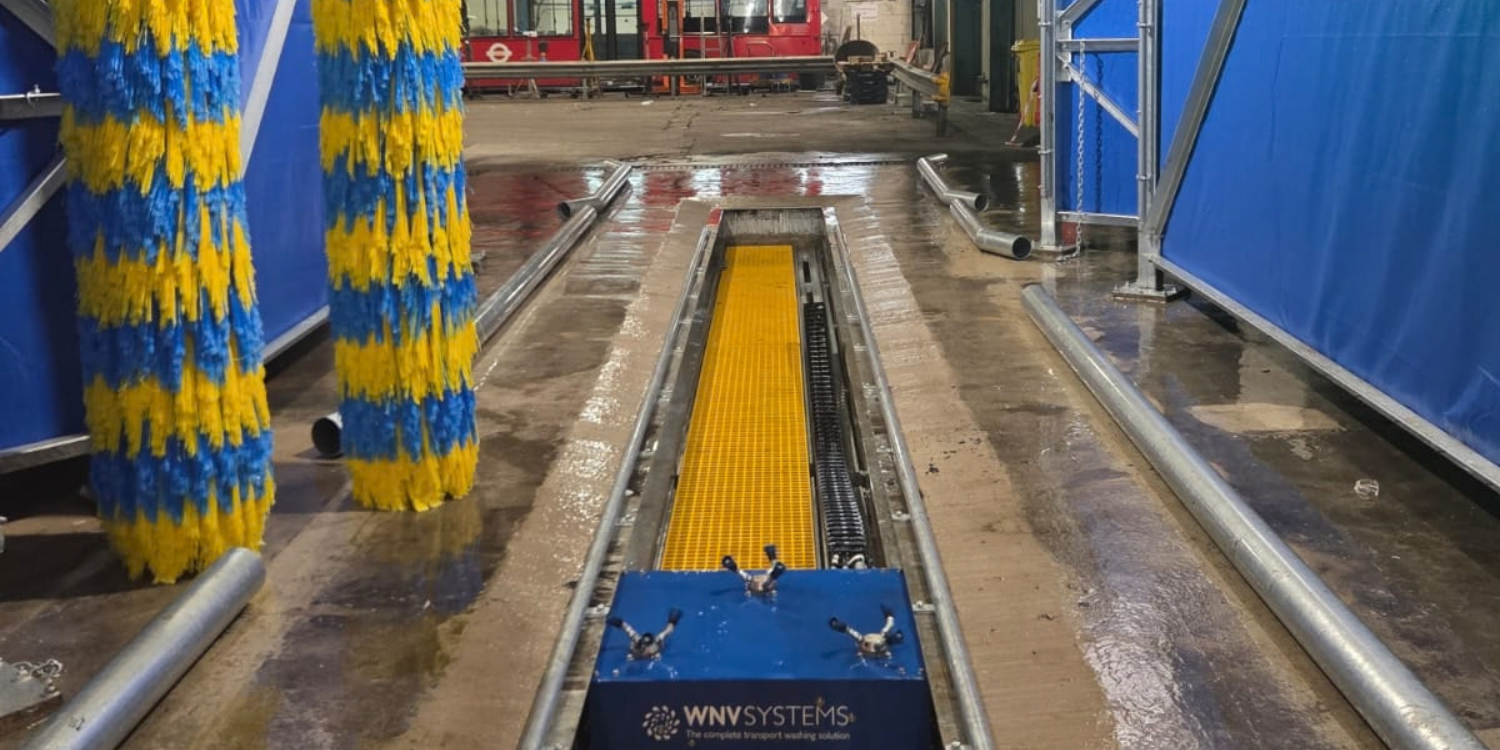
When it comes to the cleaning routines for commercial vehicles, much of the focus is on the bodywork. Whilst it’s very important that the visible area of a vehicle is clean, an often-overlooked area for washing is the chassis.
The part of the vehicle closest to the ground (excluding the wheels), the chassis collects road grime, mud, salt and plenty of other contaminants. And whilst it’s easy to spot blemishes and dirt marks on the body work, having a peak underneath is sometimes a little trickier.
So how do fleet operators, whether that’s bus service providers, refuse collection teams or the many haulage businesses that keep the UK moving, keep the less visible parts of their vehicles clean as part of a sensible maintenance routine?
What Builds Up Underneath Commercial Vehicles?
As mentioned above, mud, dirt and road grime is accumulated daily during a vehicle’s operation. Debris and contaminants can be picked up from construction sites, rural routes or industrial environments. Not to mention the added pressure of road salt and other road residues that winter throws up, too.
Left there, these salts and contaminants can turn corrosive, causing expensive damage, whilst also taking vehicles off the road for required repairs. Mud, dirt, dust and other particles can also obscure and mask leaks and other issues from being attended to, further damaging the vehicle in the long term.
Then there’s the MOT issue. MOT testers can refuse to examine overly dirty vehicles, taking vehicles off the road for even longer, when they could be out on the road, performing for your business and earning valuable revenue.
Four Reasons to Include Under-Chassis Washing in Your Fleet Routine
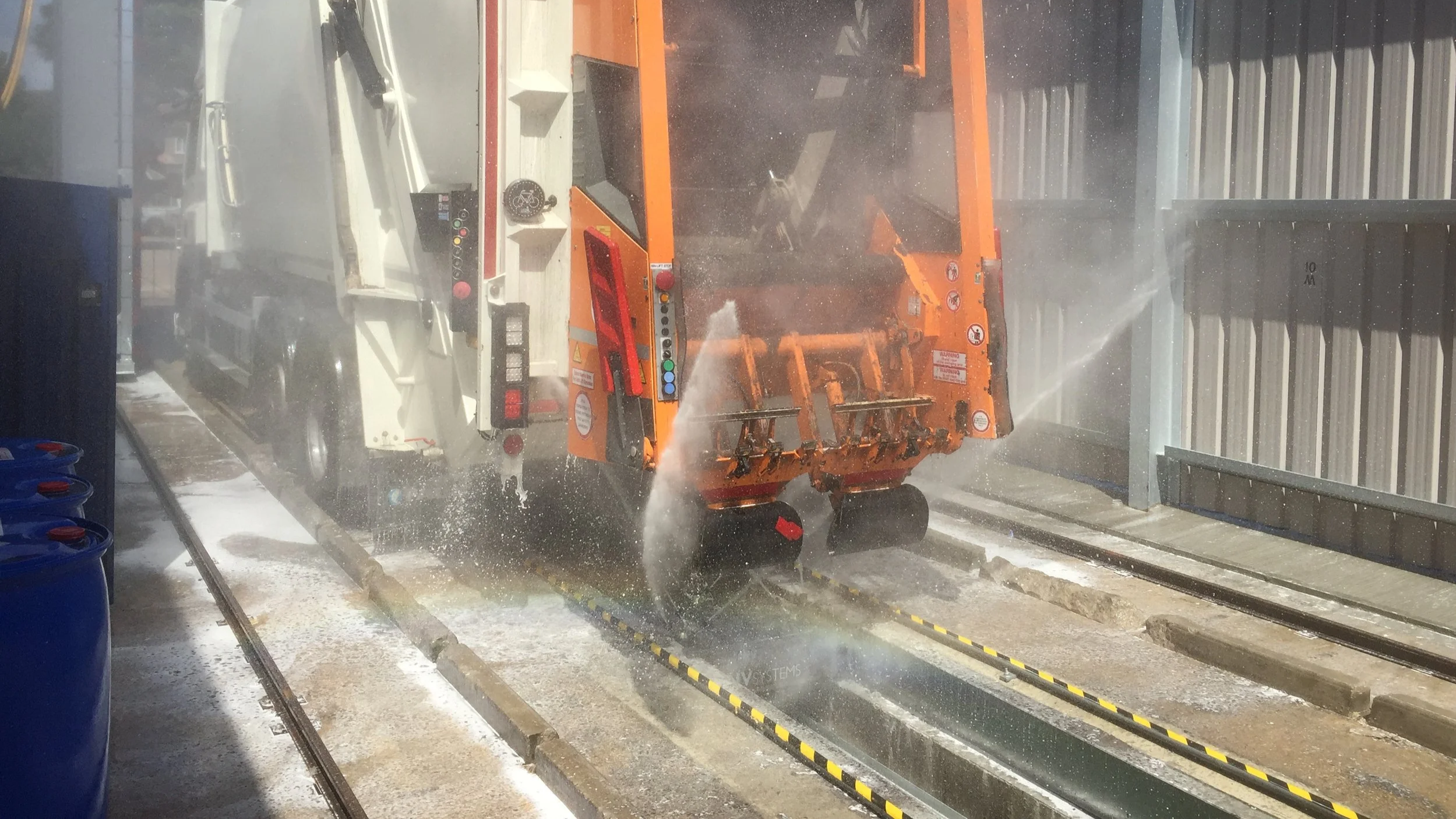
The first and possibly most important reason to have an under-chassis cleaning schedule is to help manage the effects of road salts and other contaminants. These deposits can contribute to corrosion under suitable circumstances, especially if the vehicle, as most are, is subject to constant exposure, leading to a layering-effect.
A clean chassis can support routine vehicle inspections and maintenance. Excessive dirt can obscure components and make most visual checks more difficult; cleaning can help create better conditions for inspection.
Including the underside of a vehicle in a planned cleaning programme rather than exclusively concentrating on visible bodywork helps maintain a consistent cleaning standard. In a world where aesthetics is increasingly playing a part in contract awards, this should not be underestimated.
Finally, fleets exposed to winter roads, construction sites or industrial environments may need a different cleaning routine, including a change in frequency, from vehicles working in less demanding conditions. By having a cohesive chassis washing routine, fleet operators can respond to more demanding operating conditions.
How Often Should You Wash the Underside of a Commercial Vehicle?
A fleet operator’s cleaning routine and schedule will change from business to business, vehicle to vehicle and even season to season.
Parameters such as vehicle type, usage and miles travelled will all have an impact on how often a vehicle needs to be cleaned. It’s likely washes will be more frequent in winter when vehicles are exposed to a higher level of contaminants.
It’s also important to refer to the vehicle manufacturer’s guidance too. As with every fleet operator, each manufacturer will have different suggestions for a cleaning schedule.
For fleet managers, assessing operation conditions and establishing a suitable routine for your vehicles is vital, and being flexible by increasing attention when exposure warrants, is common sense.
Manual Cleaning or an Automatic Under-Chassis Wash System?
Manual cleaning can be appropriate in some situations, but reaching underneath vehicles can be labour-intensive and may require suitable access arrangements and controls.
An automatic under-chassis washing system removes most of the manual labour, most of the hassle and most of the risk, but comes at a higher premium. For fleet operators operating over 20 vehicles, the pros of an automatic system may outweigh the cons of the cost.
How WNV Systems Can Help with Under-Chassis Washing
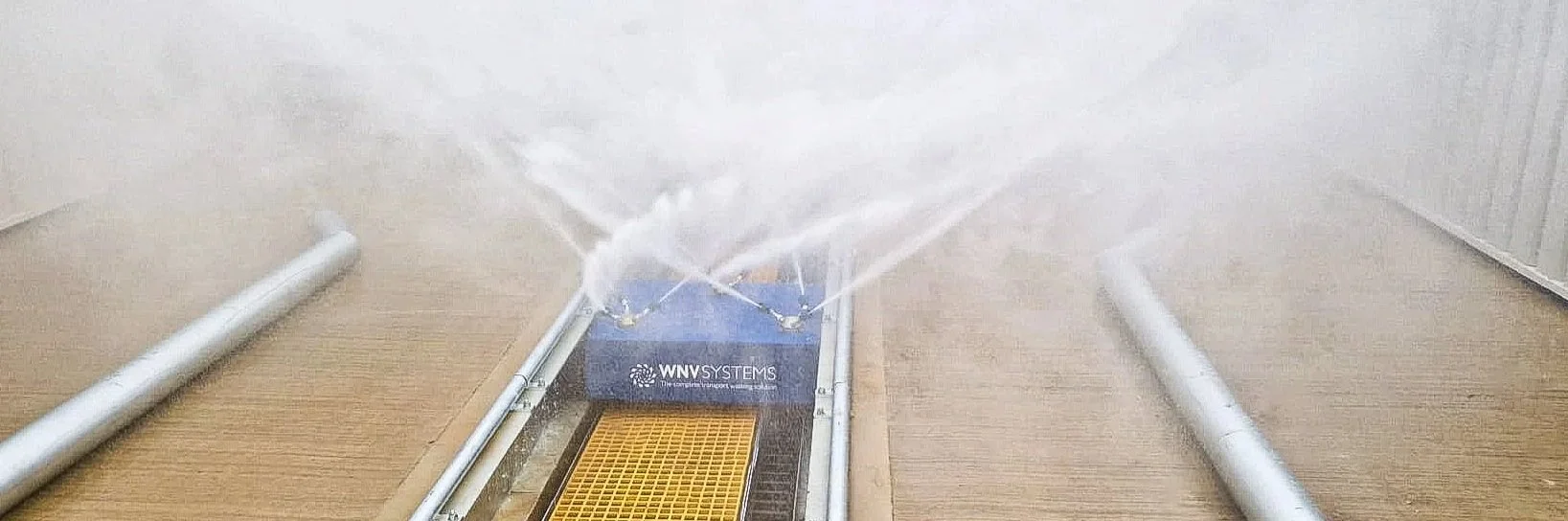
WNV’s automatic under-chassis wash system contains nine spinning jet heads able to reach each nook and cranny of the chassis and can be programmed to deliver different pressures for different areas which is another vital consideration with the increase in electric vehicles on the road.
An MOT-standard clean on a WNV Systems chassis wash is achieved in 30-minutes and can be programmed for every make and model of commercial vehicle.
WNV Systems can offer a turnkey approach to installing a system, helping with depot positioning, construction and maintenance, with excellent after-sales care including service schedules and timely repair call outs.
The Horsham-based business can help operators explore the right approach for a site, and if an automatic system isn’t quite right, a manual system can be suggested and installed.
Finding a routine for vehicle cleaning that contains a schedule for under chassis washing is a clear benefit for fleet operators. And although there’s not a one-size-fits-all solution, working out a schedule will pay dividends in the long run.
If an automatic chassis wash sounds like a solution for your business, WNV should be your first port of call.
Visit www.wnv-systems.com, email sales@wnv-systems.com or call one of our fleet washing experts on 020 8641 5601.