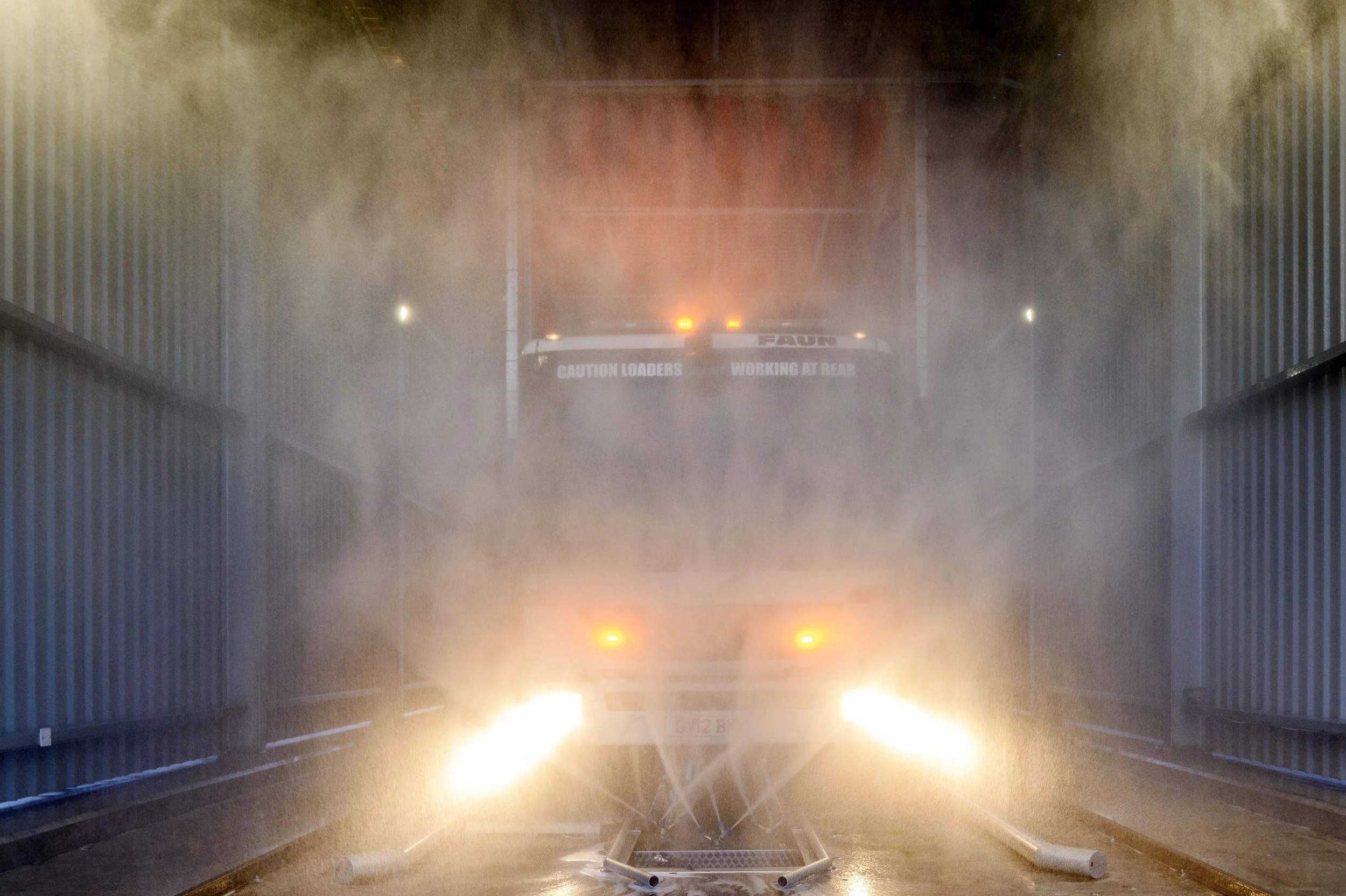
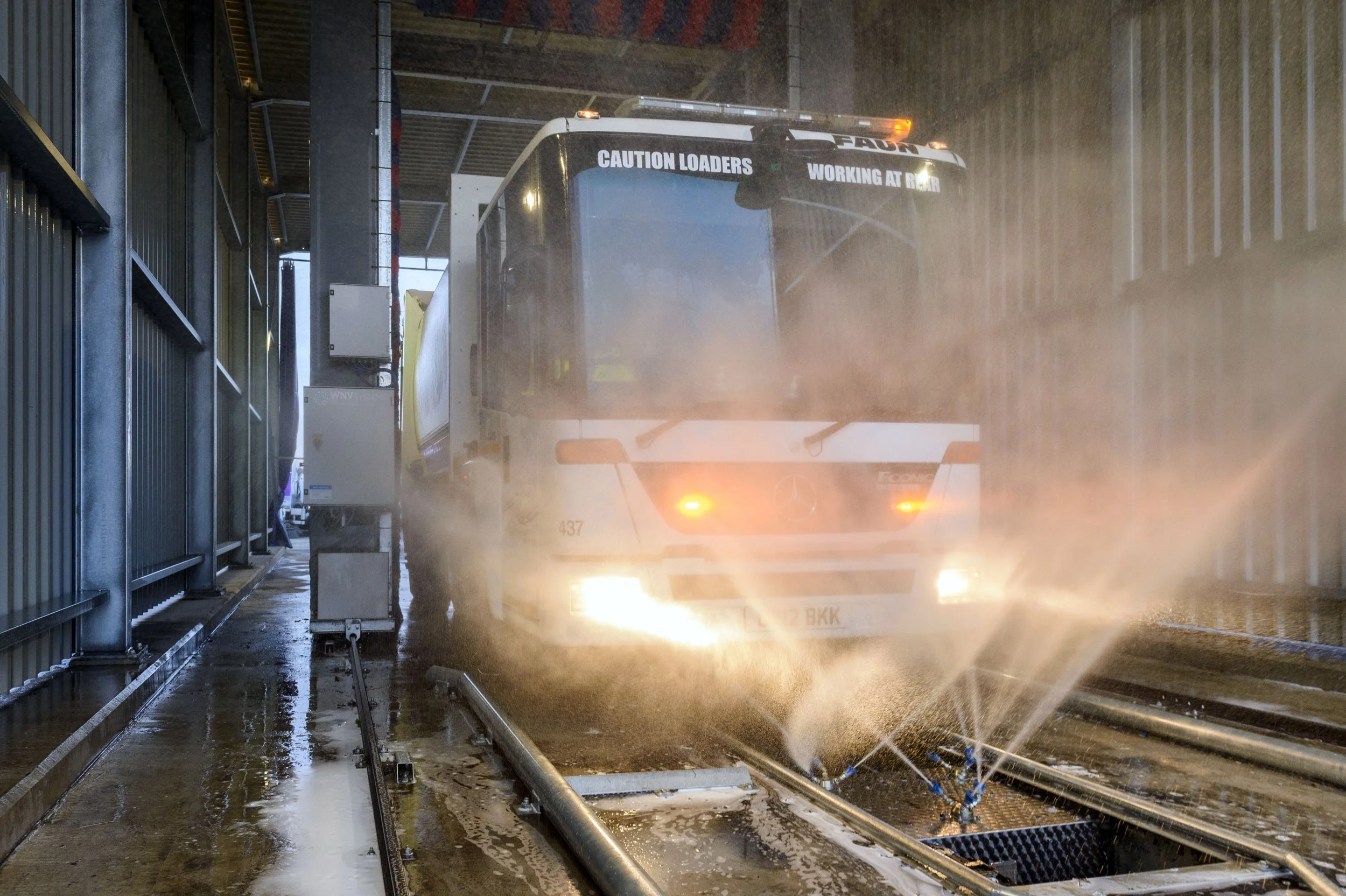
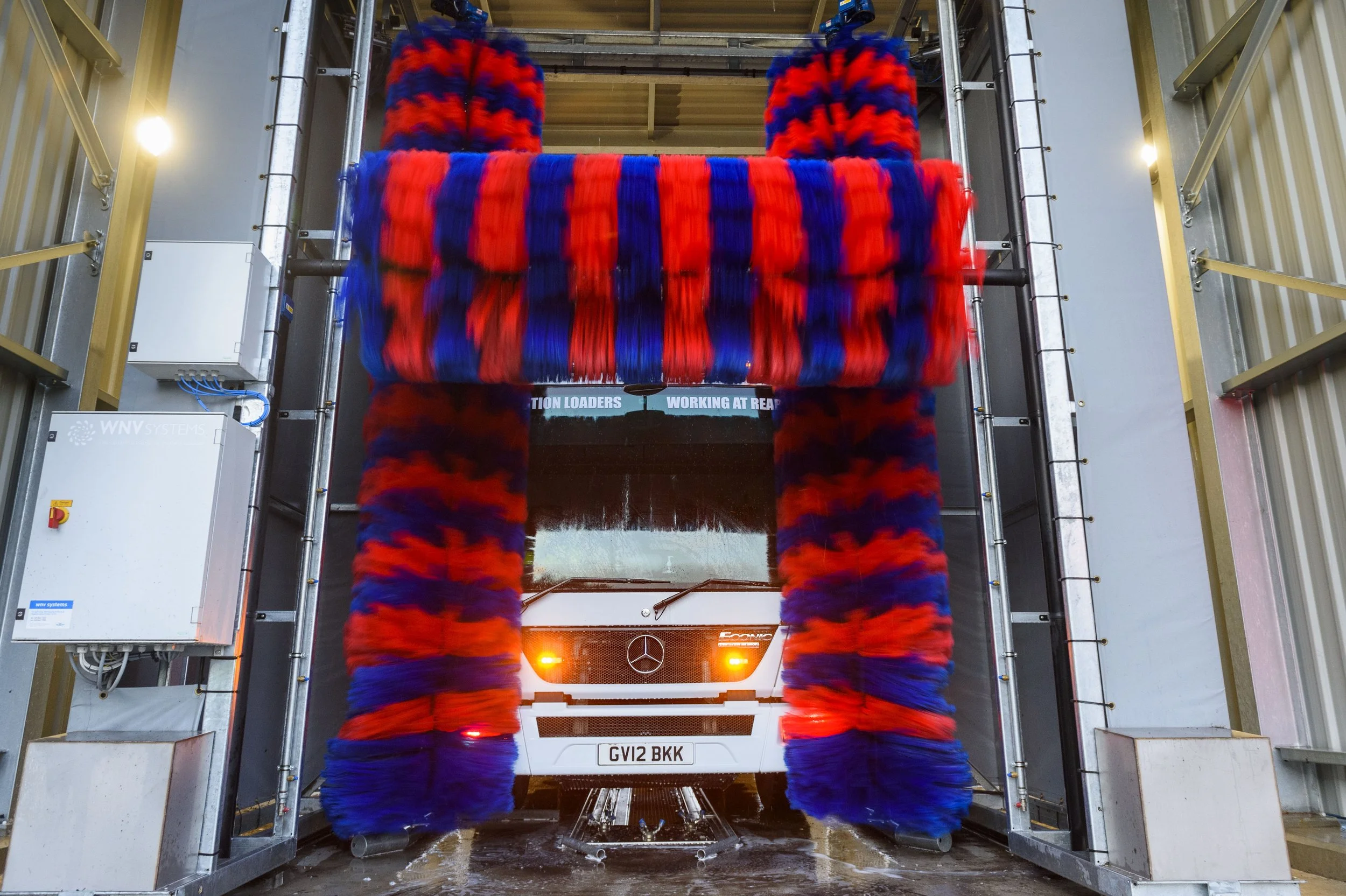
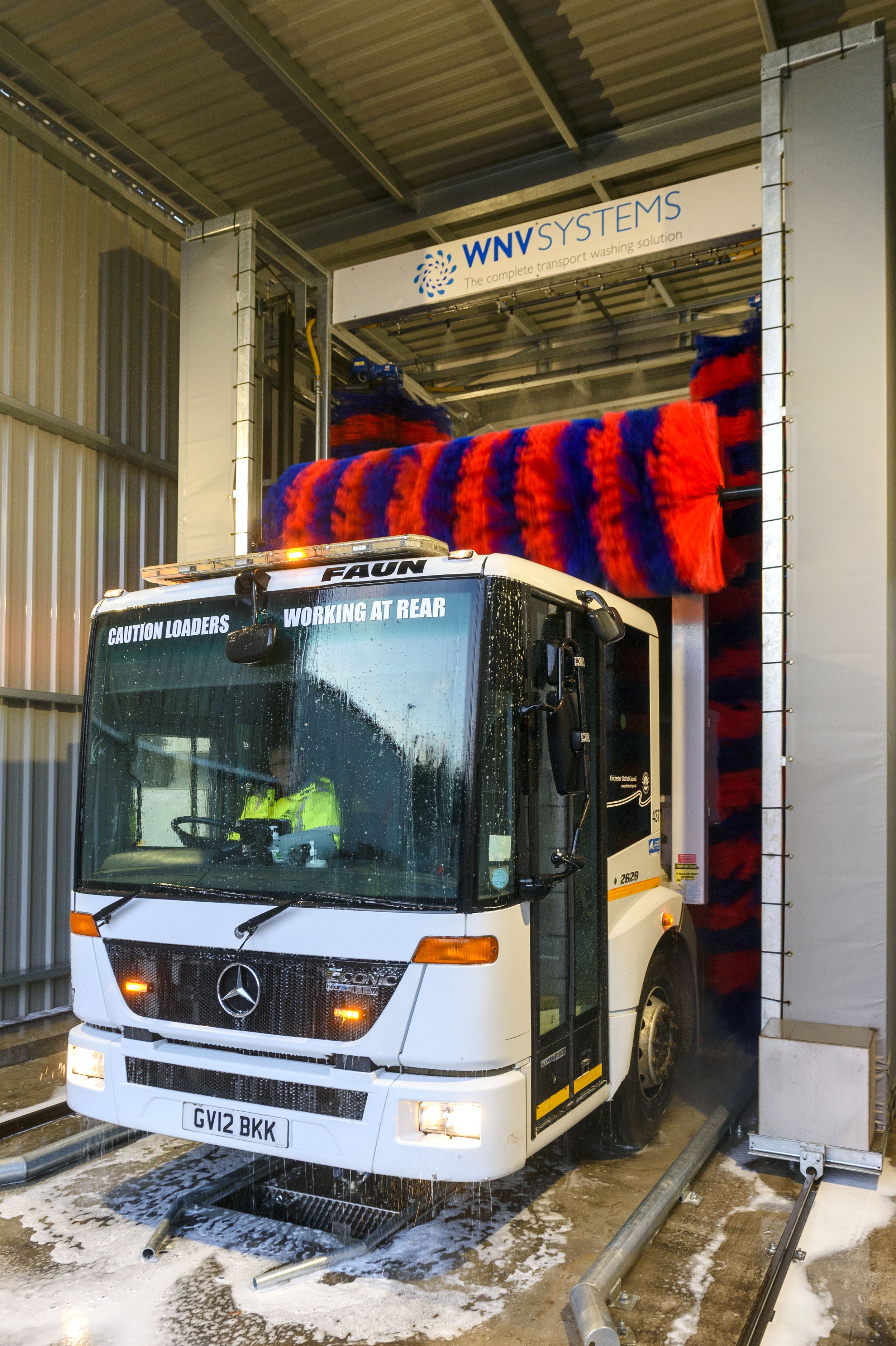
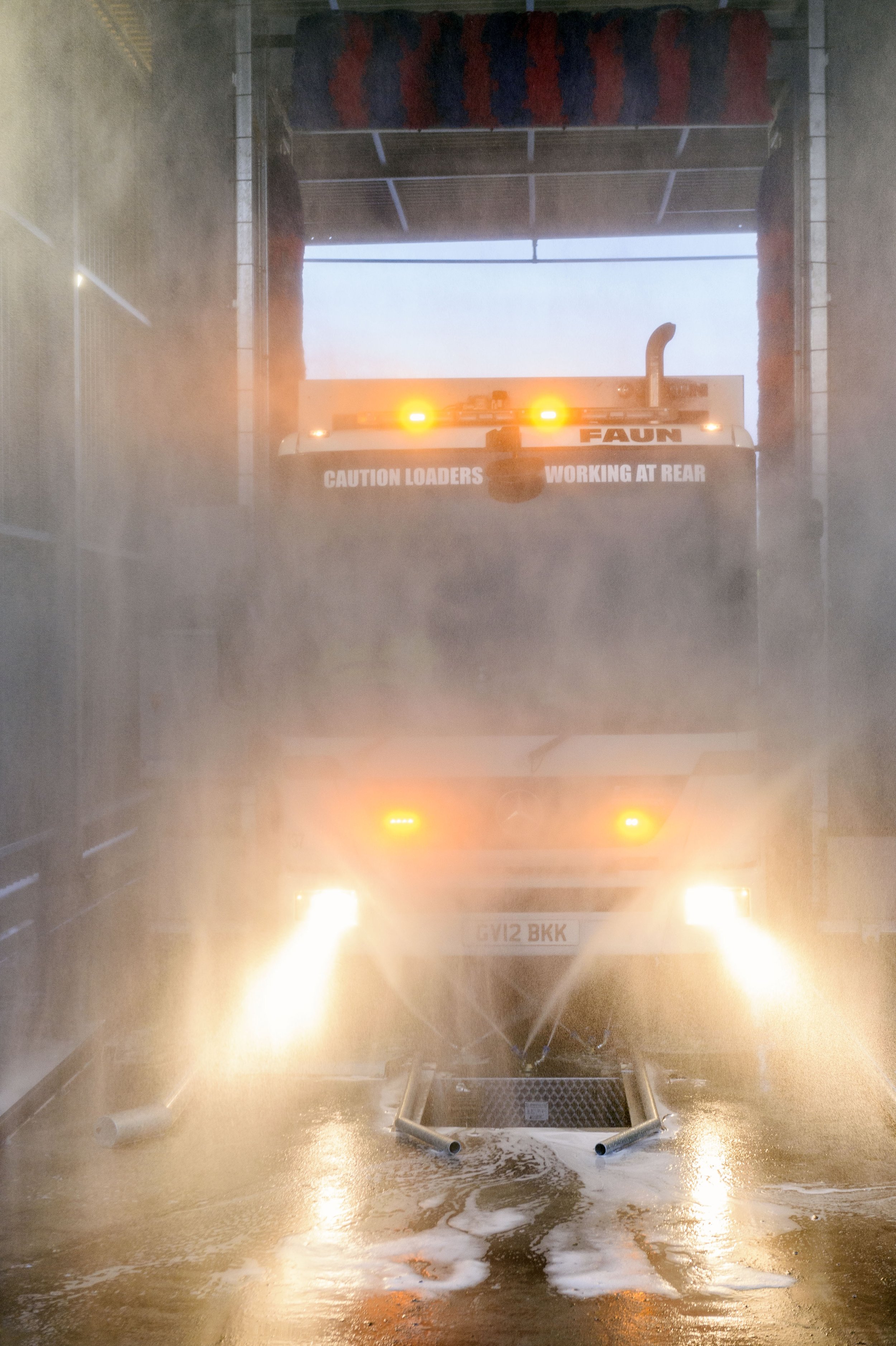
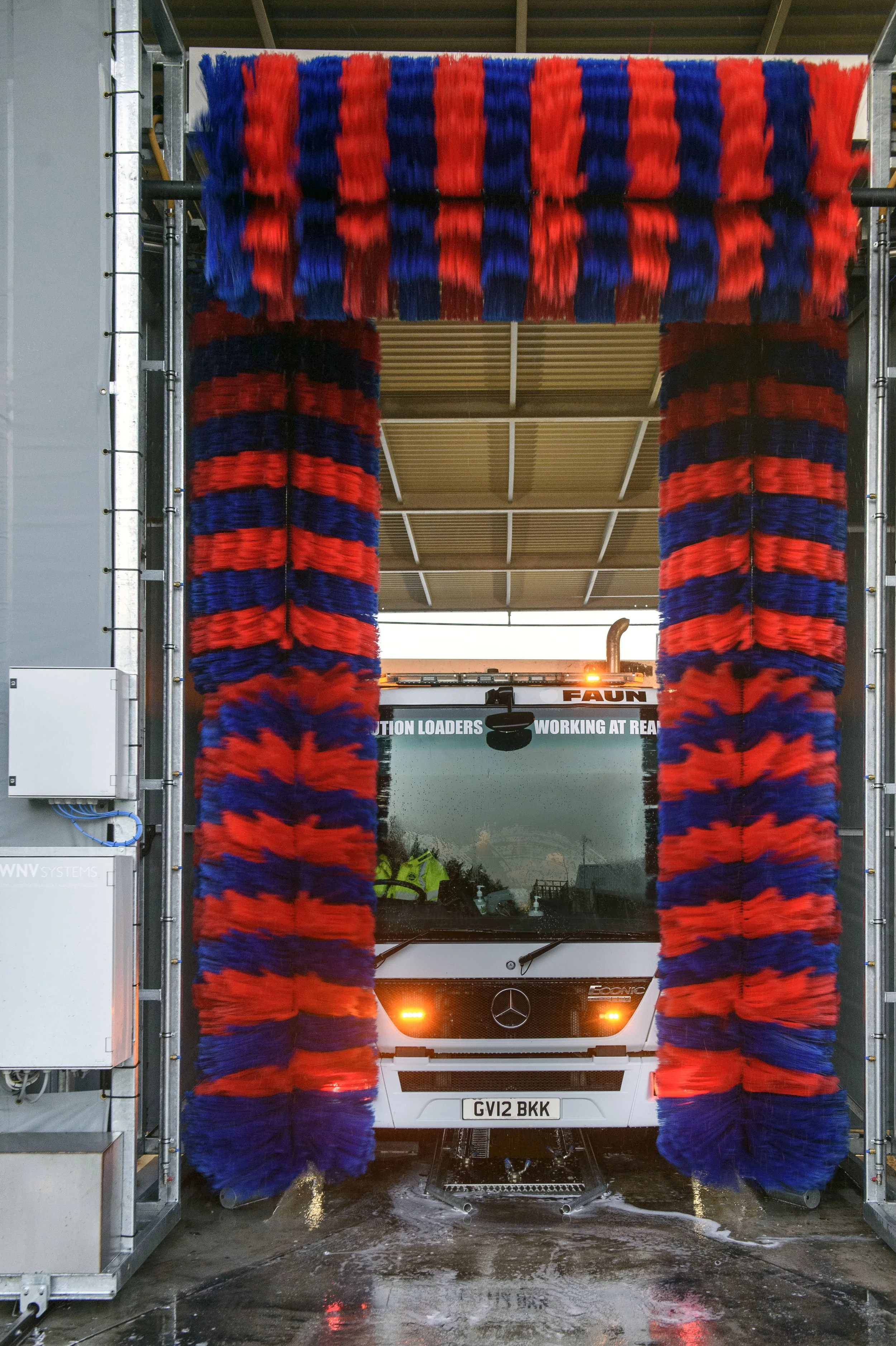
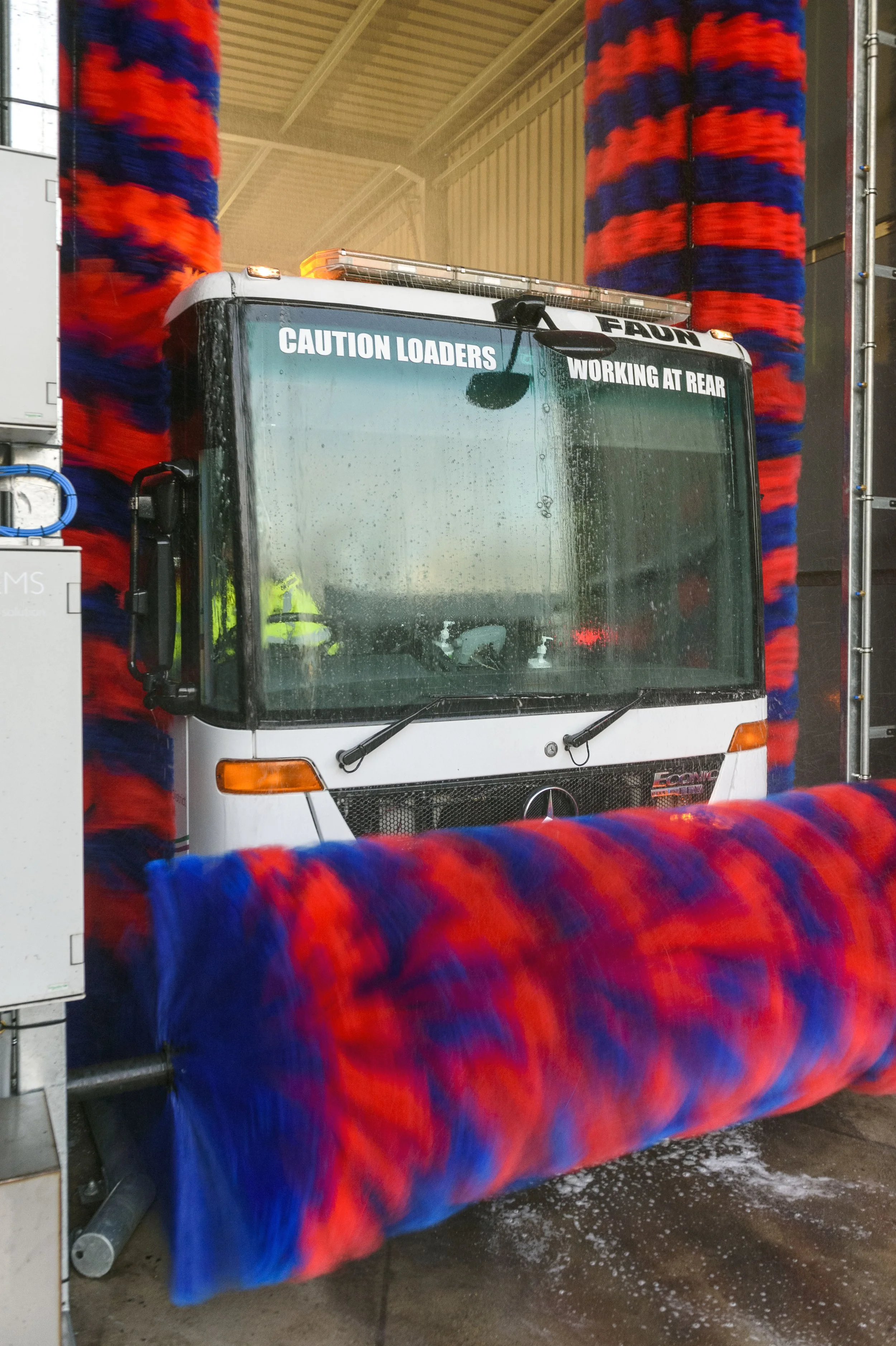
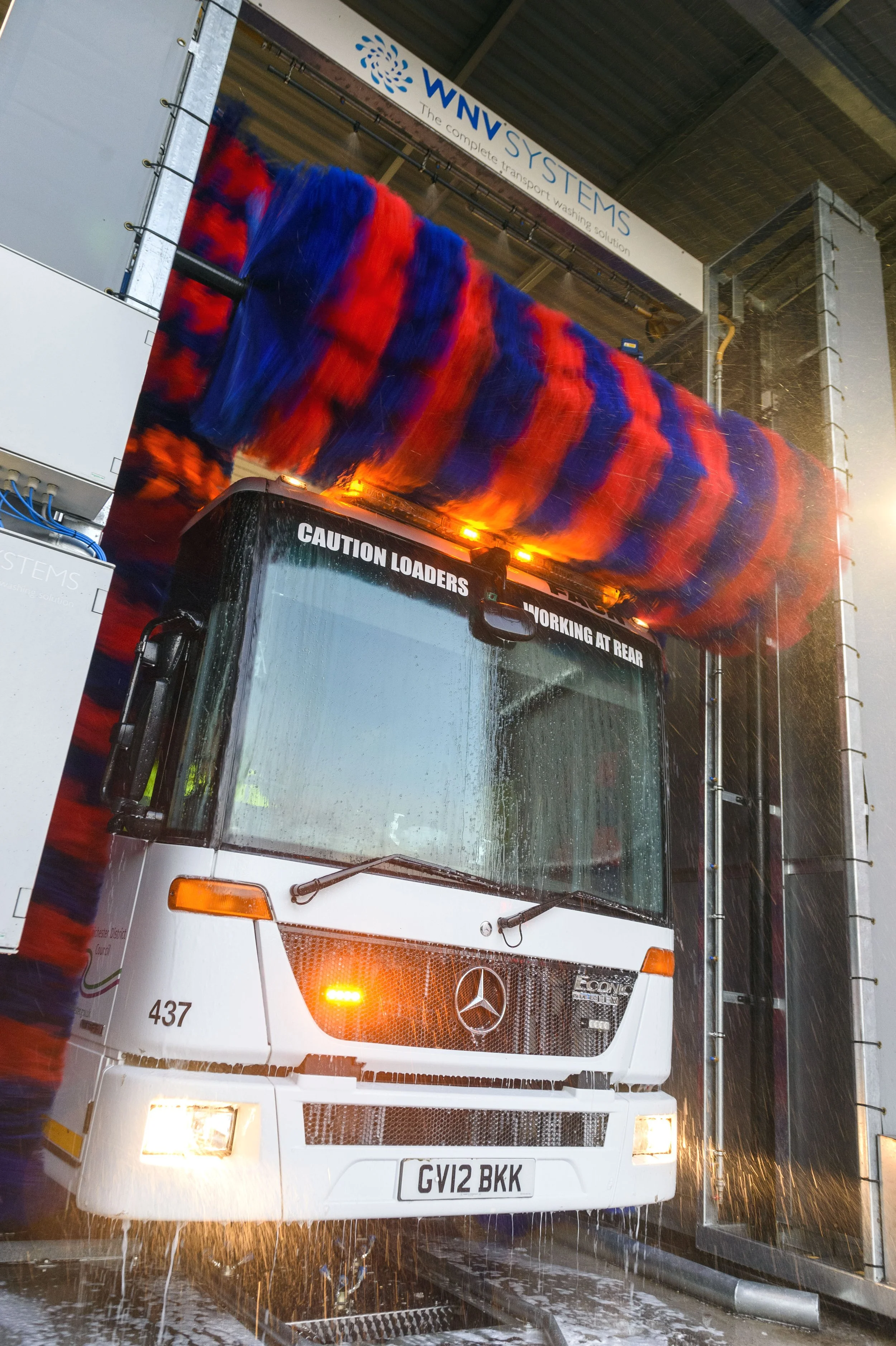
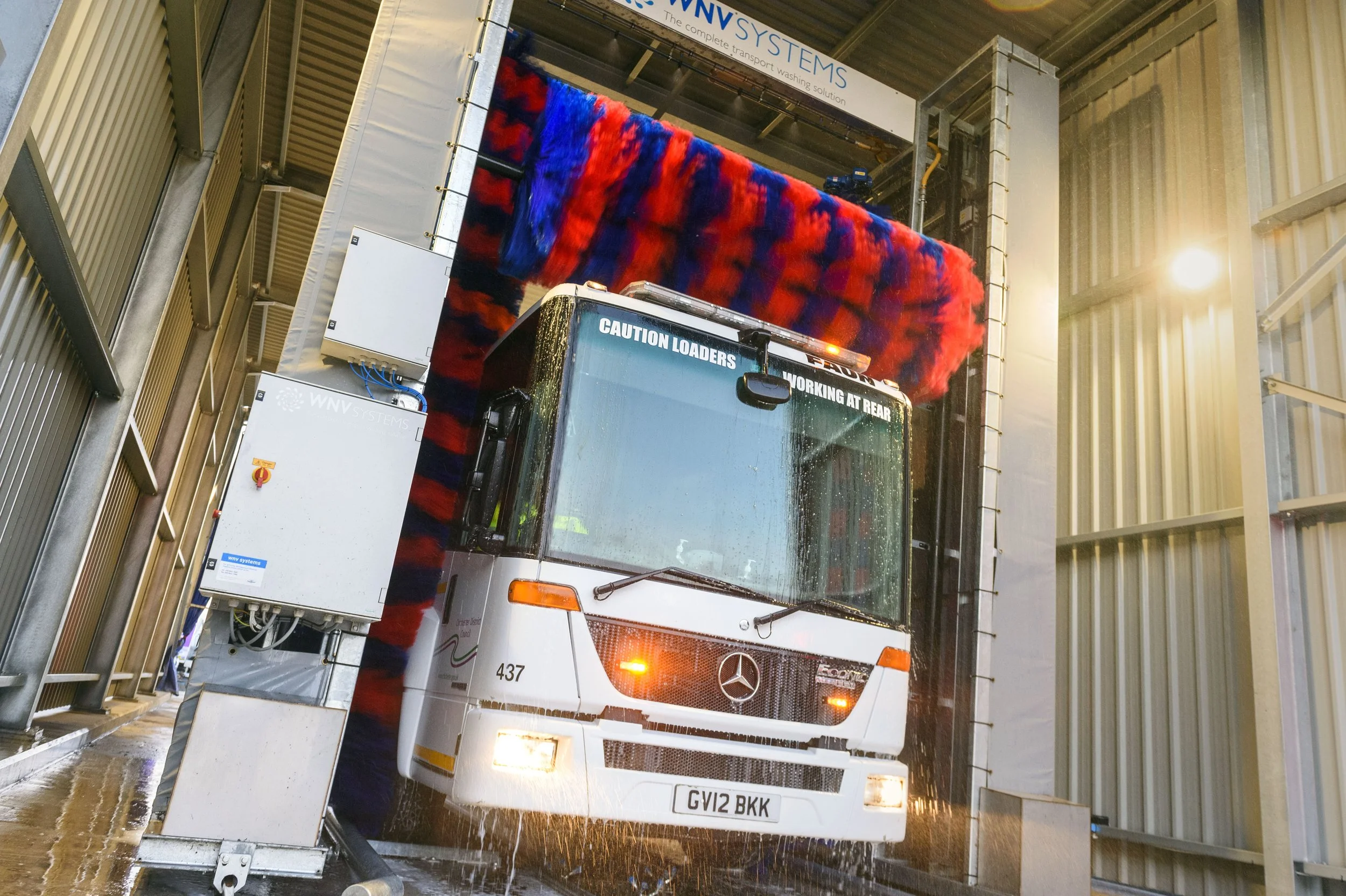
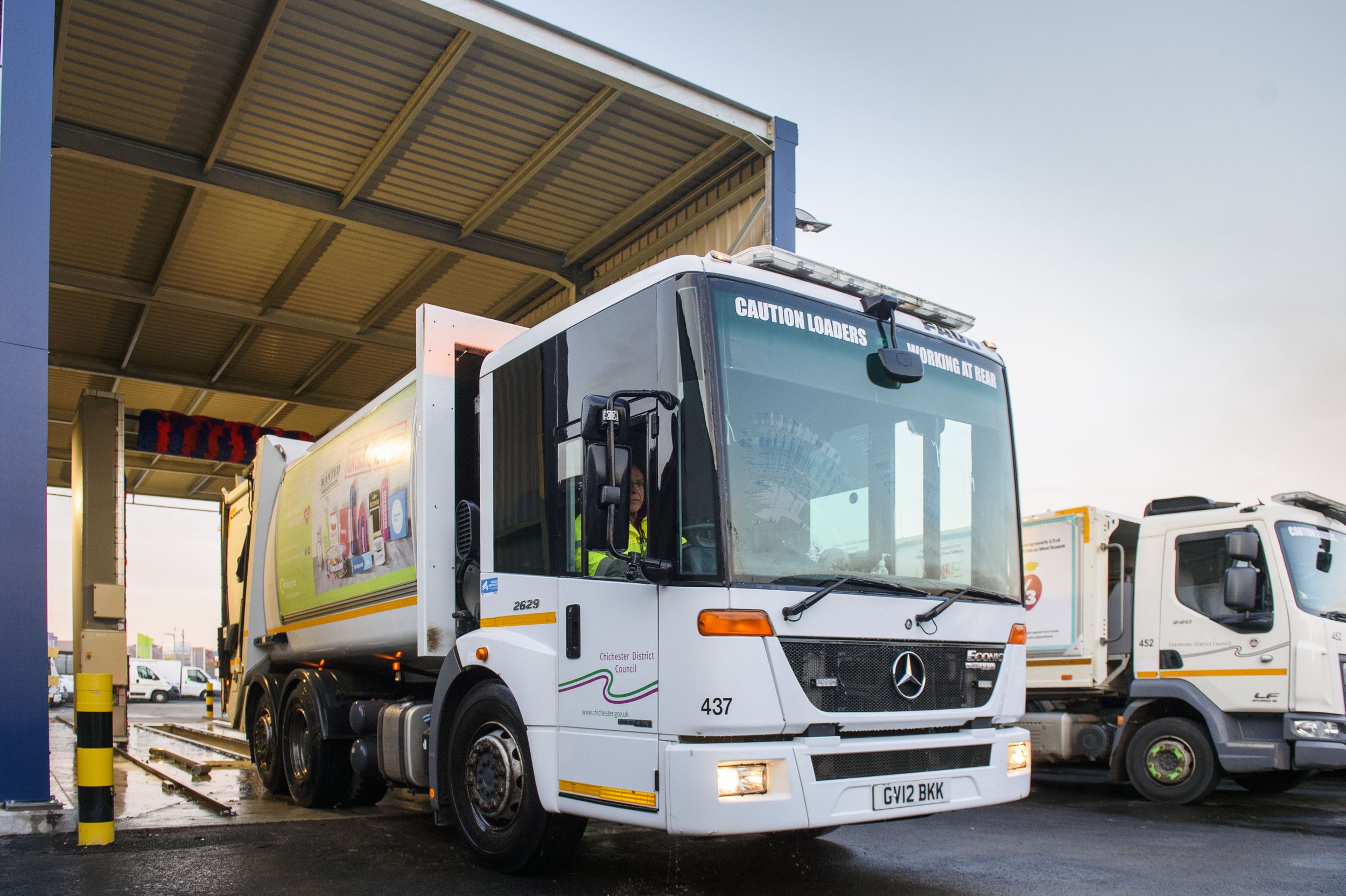
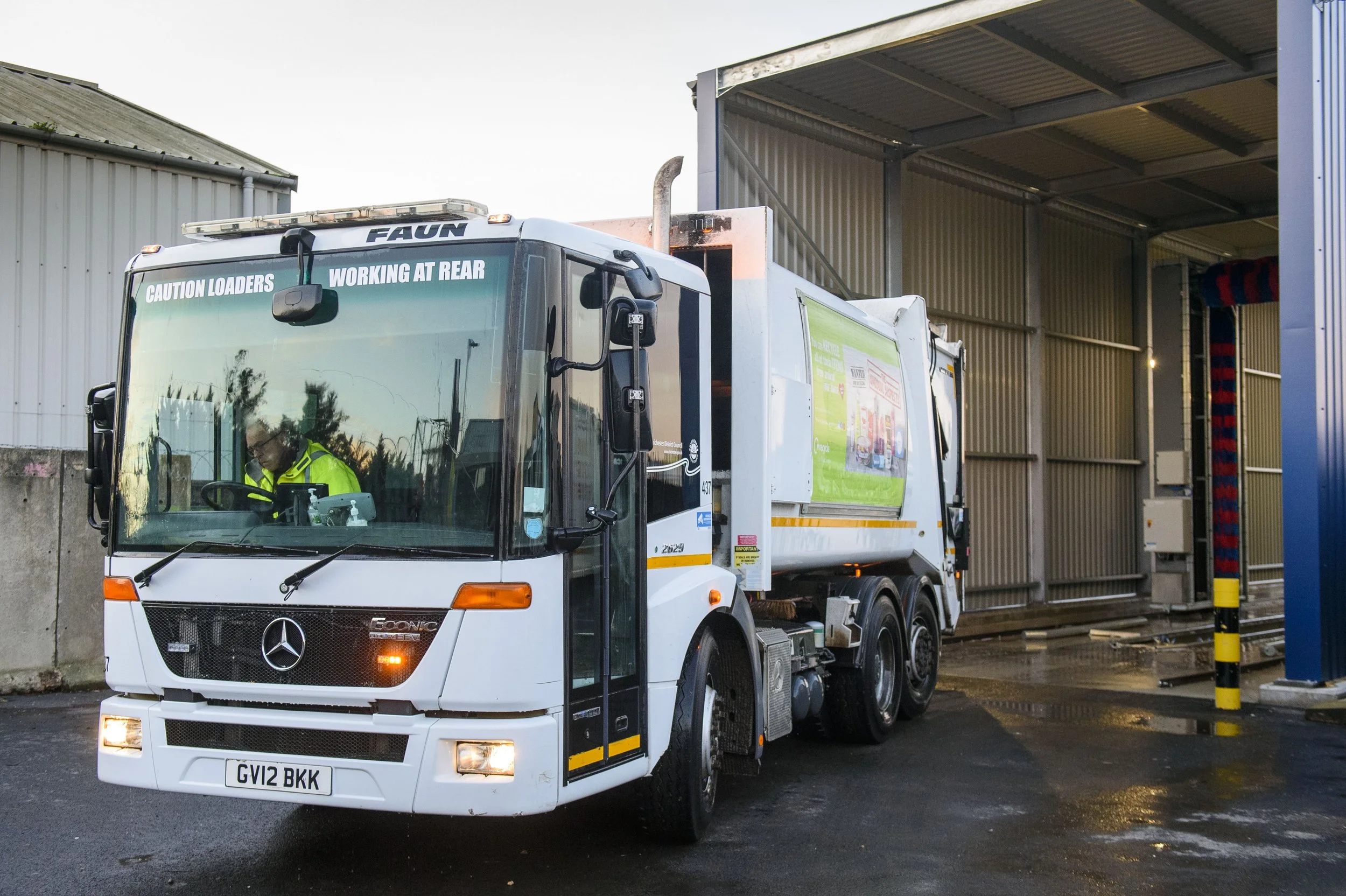
Chichester District Council appointed WNV Systems to design and install a modern vehicle washing facility as part of the redevelopment of its existing depot. The council required a solution capable of maintaining its own fleet while accommodating a wide range of commercial vehicles, creating the potential to offer washing services to external operators and generate an ongoing revenue stream.
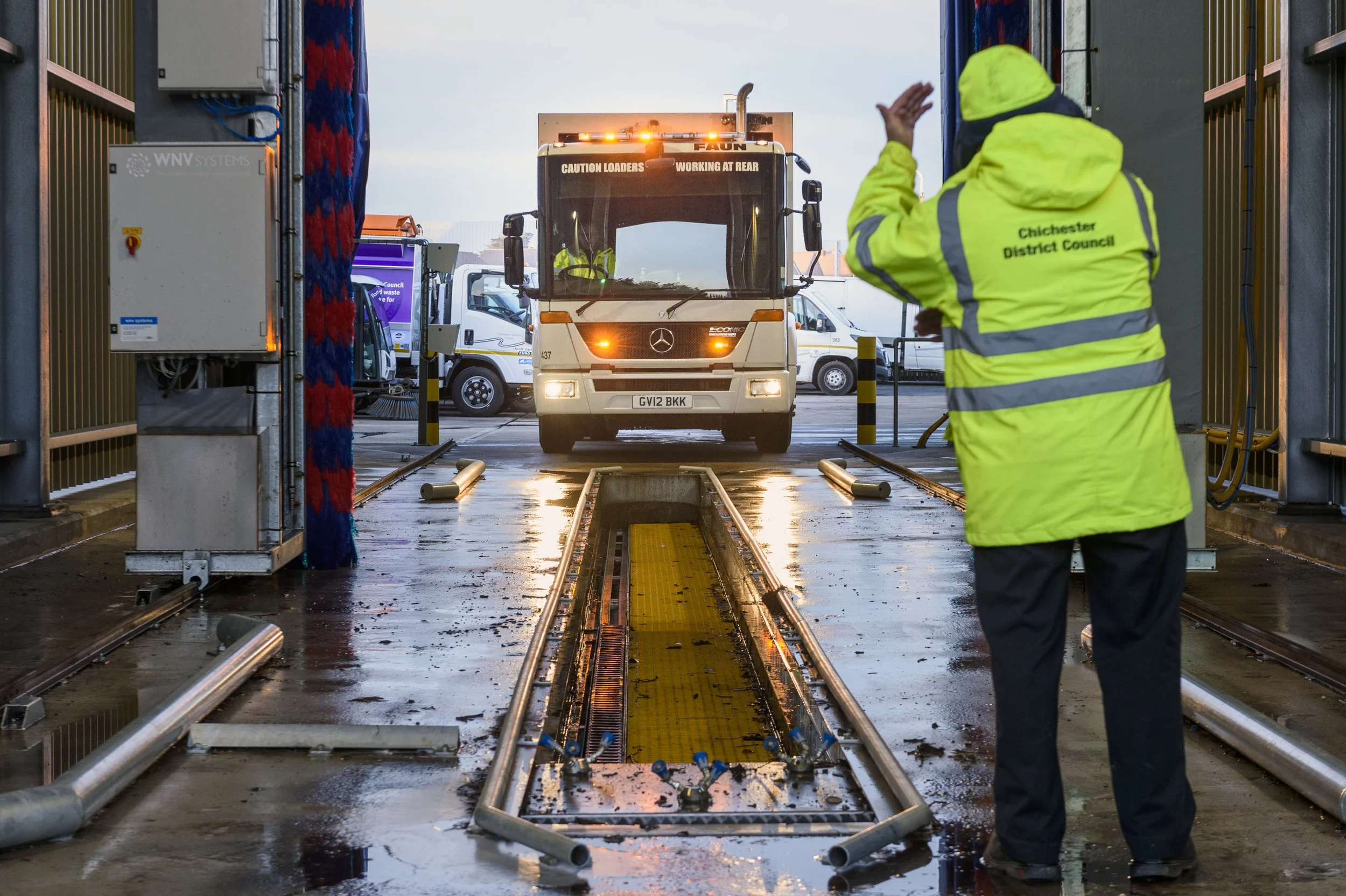
WNV was selected following a competitive tender process, with its proposal offering the strongest cost-benefit package against the council's requirements. The resulting facility combines automated vehicle washing, under-chassis cleaning, manual pressure washing and integrated water reclamation within a purpose-designed building.
The completed installation provides the council with a versatile washing facility designed to support its own operational needs while opening up opportunities for commercial use.
The Customer and Its Requirements
As part of its planned depot redevelopment, Chichester District Council recognised an opportunity to address longstanding challenges associated with keeping its fleet clean.
Vehicles needed to be thoroughly cleaned before returning to service, but traditional manual washing was becoming increasingly impractical and costly. The council required a more efficient and consistent approach that could accommodate different vehicle types while reducing the demands and health and safety implications associated with manual pressure washing.
The ambition extended beyond the council's own fleet. By creating a facility capable of washing a broad range of commercial vehicles, the council could potentially make the equipment available to third-party operators and generate additional income from its investment.
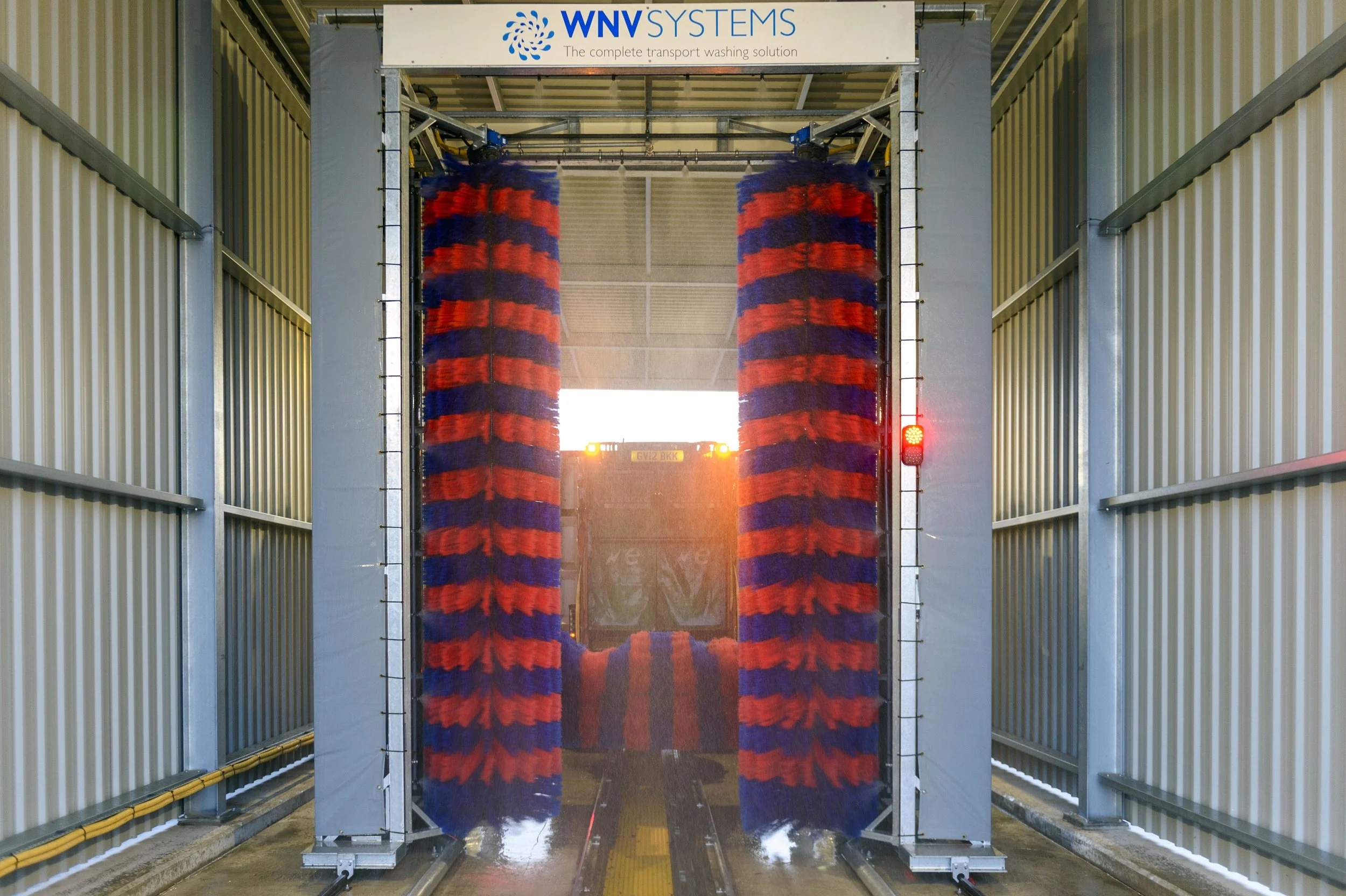
To achieve this, the proposed installation needed to accommodate vehicles up to five metres high and 18 metres long. It required a three-brush rollover wash system for automated external cleaning, supported by high-pressure washing for vehicles with irregular shapes or more specialised cleaning requirements.
Under-chassis cleaning was another important consideration. The council required an automatic system capable of serving a mixed fleet, including hybrid and fully electric vehicles, with cleaning performance designed to support inspection and maintenance requirements. Water reclamation was also essential, with the system required to work alongside the under-chassis wash and recycle up to 95% of retained water.
Additional requirements included hot-pressure-washing equipment for manual detailing and a standalone, open-ended building to house the complete washing facility.
The Challenge
The project required more than the installation of individual pieces of washing equipment. WNV needed to bring together several complementary technologies within a single facility, ensuring they could operate effectively for the council's own vehicles and for external customers.
The installation also had to be integrated into a wider depot redevelopment, requiring close coordination of the building layout, civil engineering works, drainage and plant room provision.
Operational flexibility was particularly important. The equipment needed to handle a variety of commercial vehicle shapes and sizes while delivering consistent cleaning performance under regular, demanding use. It also needed to be straightforward and safe to operate, reducing the reliance on manual washing wherever automated cleaning could be used effectively.
Water management presented another key consideration. The facility needed to incorporate a substantial water collection and reclamation arrangement capable of supporting the different wash systems while helping reduce freshwater consumption.
Finally, the council wanted to make the facility accessible to external users without requiring staff to supervise every wash. This meant incorporating a practical way for third-party customers to access and operate the equipment securely.
The WNV Systems Solution
Working closely with Chichester District Council and the project architects, WNV developed an integrated washing facility designed around the council's operational requirements and future commercial ambitions.
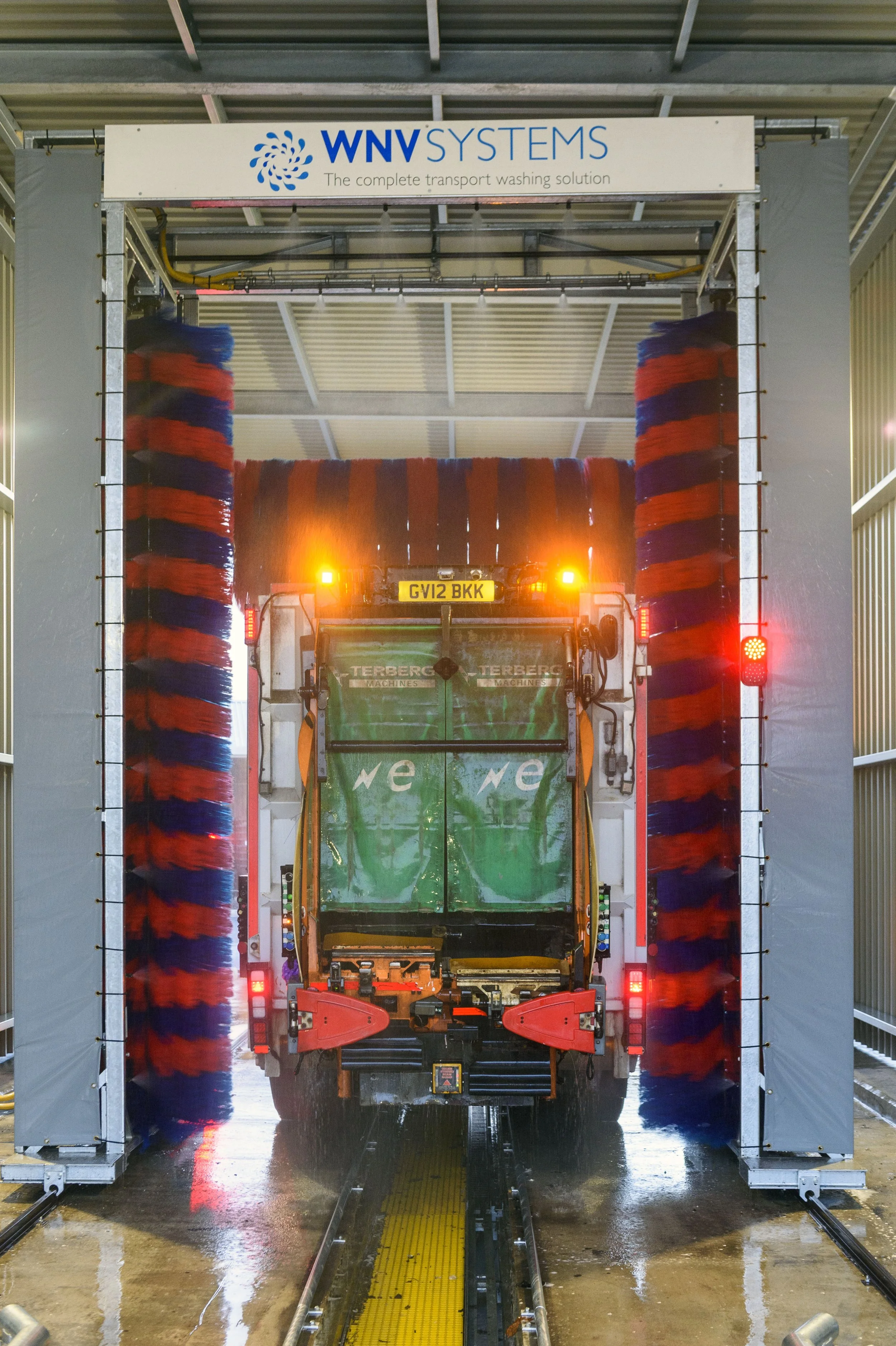
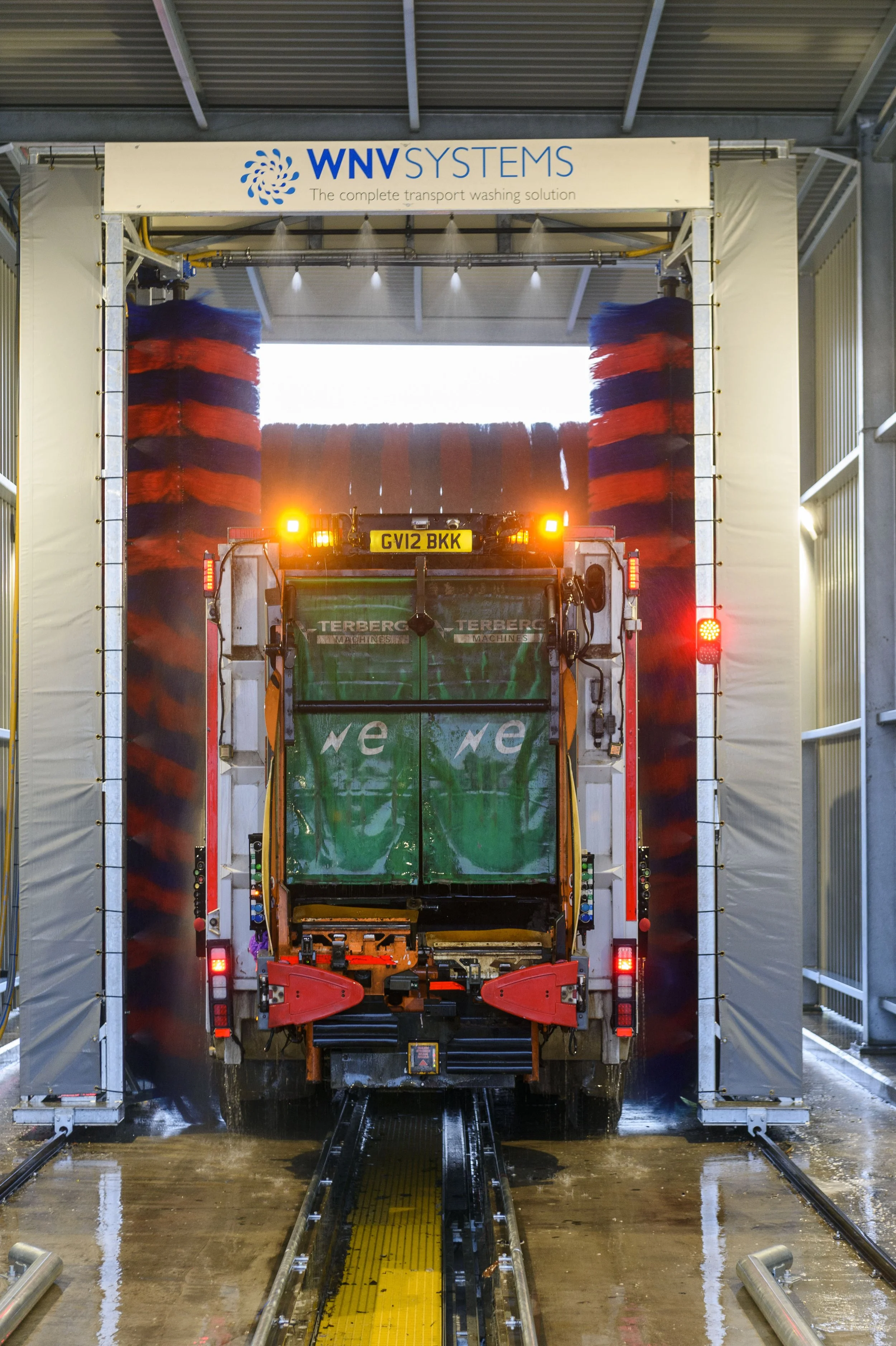
The installation brought together automated external washing, automatic under-chassis cleaning, manual pressure-washing equipment and water reclamation within a dedicated building measuring approximately seven metres by 24 metres.
Automated washing for a varied fleet
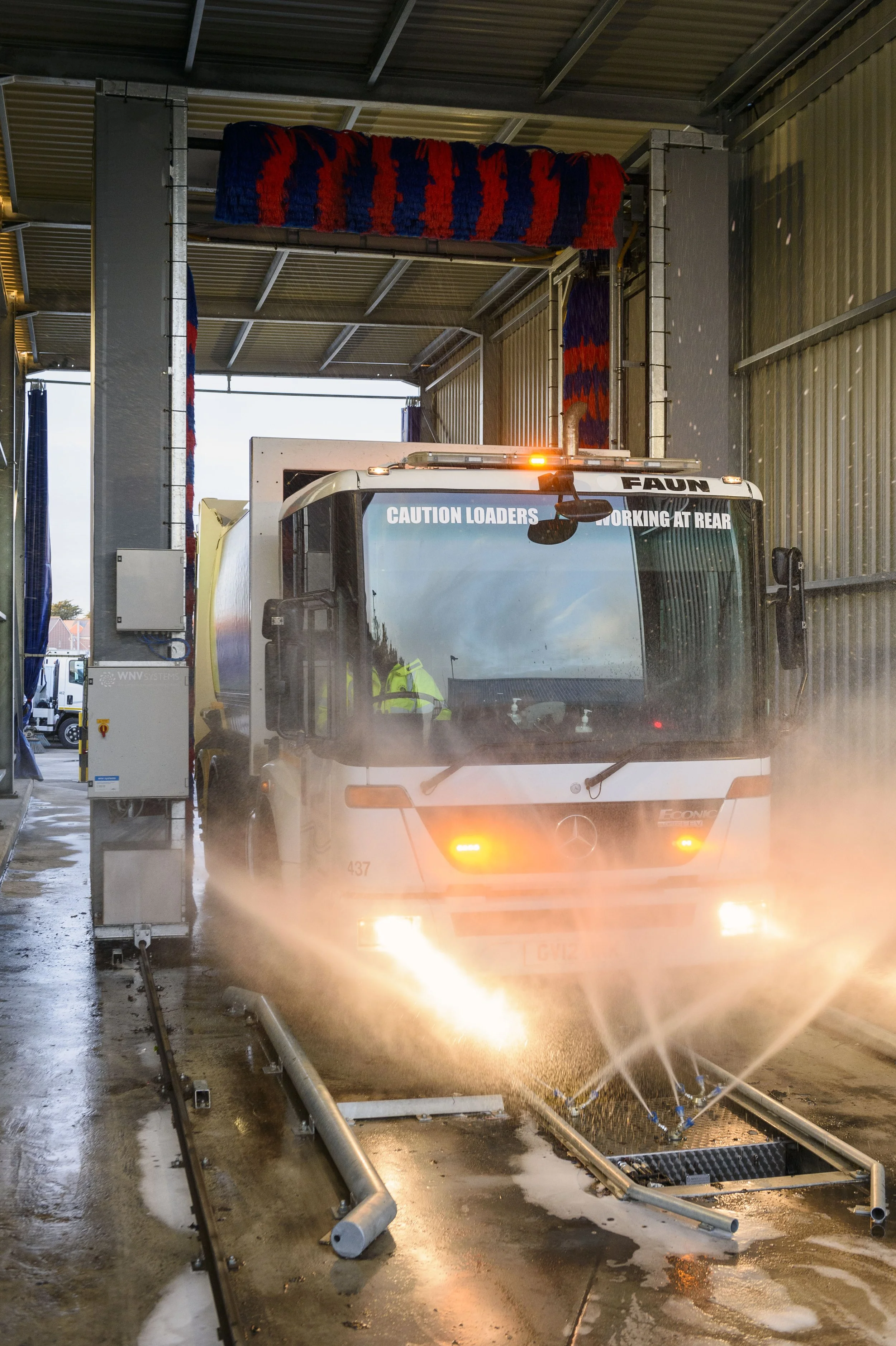
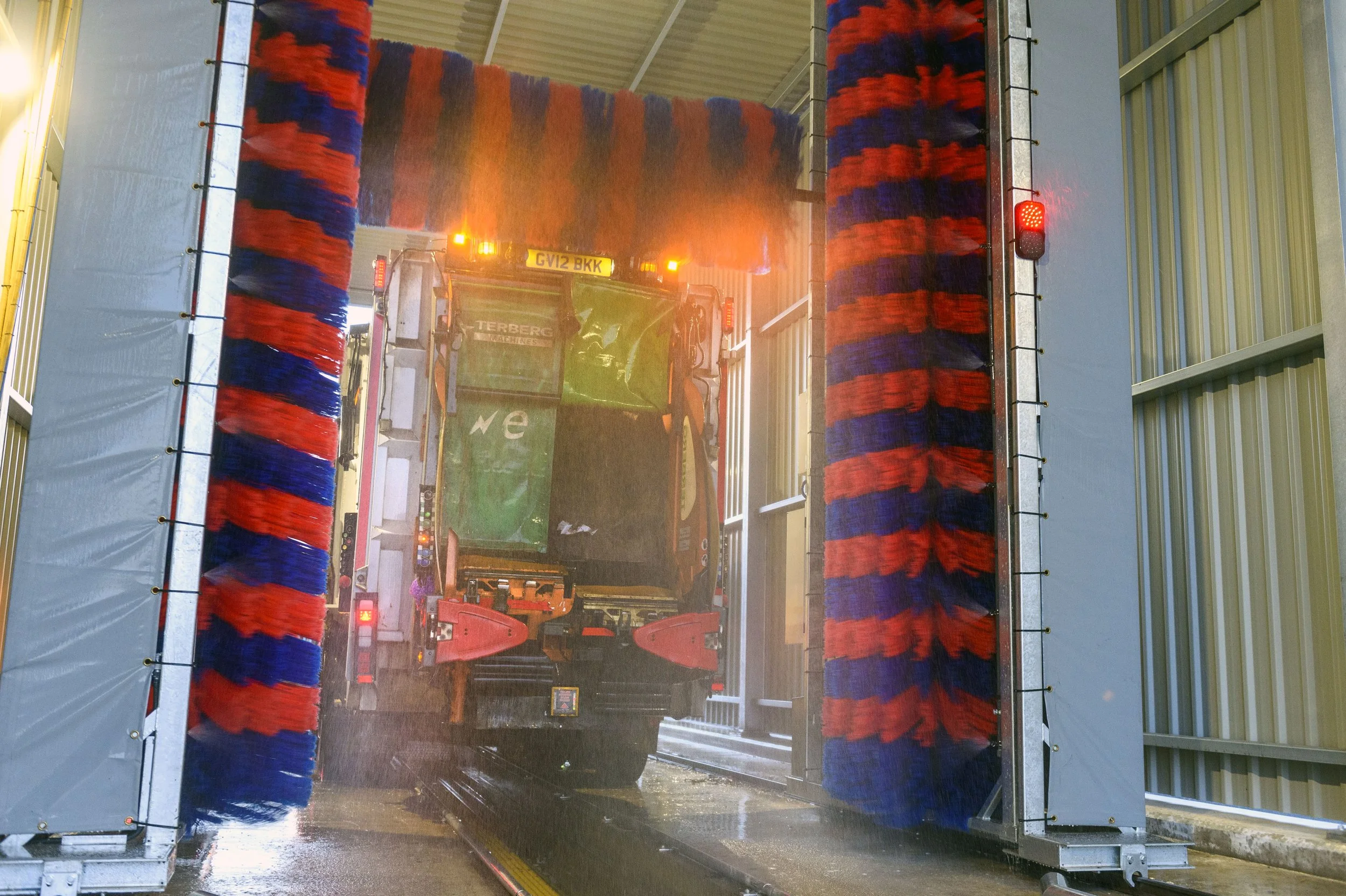
The facility incorporates a three-brush rollover system designed to clean a wide range of commercial vehicles. A high-pressure wash option provides additional flexibility for vehicles with irregular shapes or areas that require a different approach to cleaning.
This combination enables the council to address the varied cleaning requirements of its fleet within one dedicated facility, rather than relying solely on traditional manual washing methods.
Automatic under-chassis washing
A key element of the installation is the automatic under-chassis wash system, designed to clean the undersides of vehicles and support the council's vehicle maintenance and inspection routines.
The system was specified with mixed-fleet requirements in mind, including hybrid and fully electric vehicles. Its intended application was to provide under-chassis cleaning to a standard suitable for supporting Ministry of Transport inspection requirements, subject to the relevant inspection criteria and procedures.
By automating this part of the washing process, the facility reduces the need for staff to undertake underbody cleaning manually, helping address the associated health and safety considerations.
Integrated water reclamation
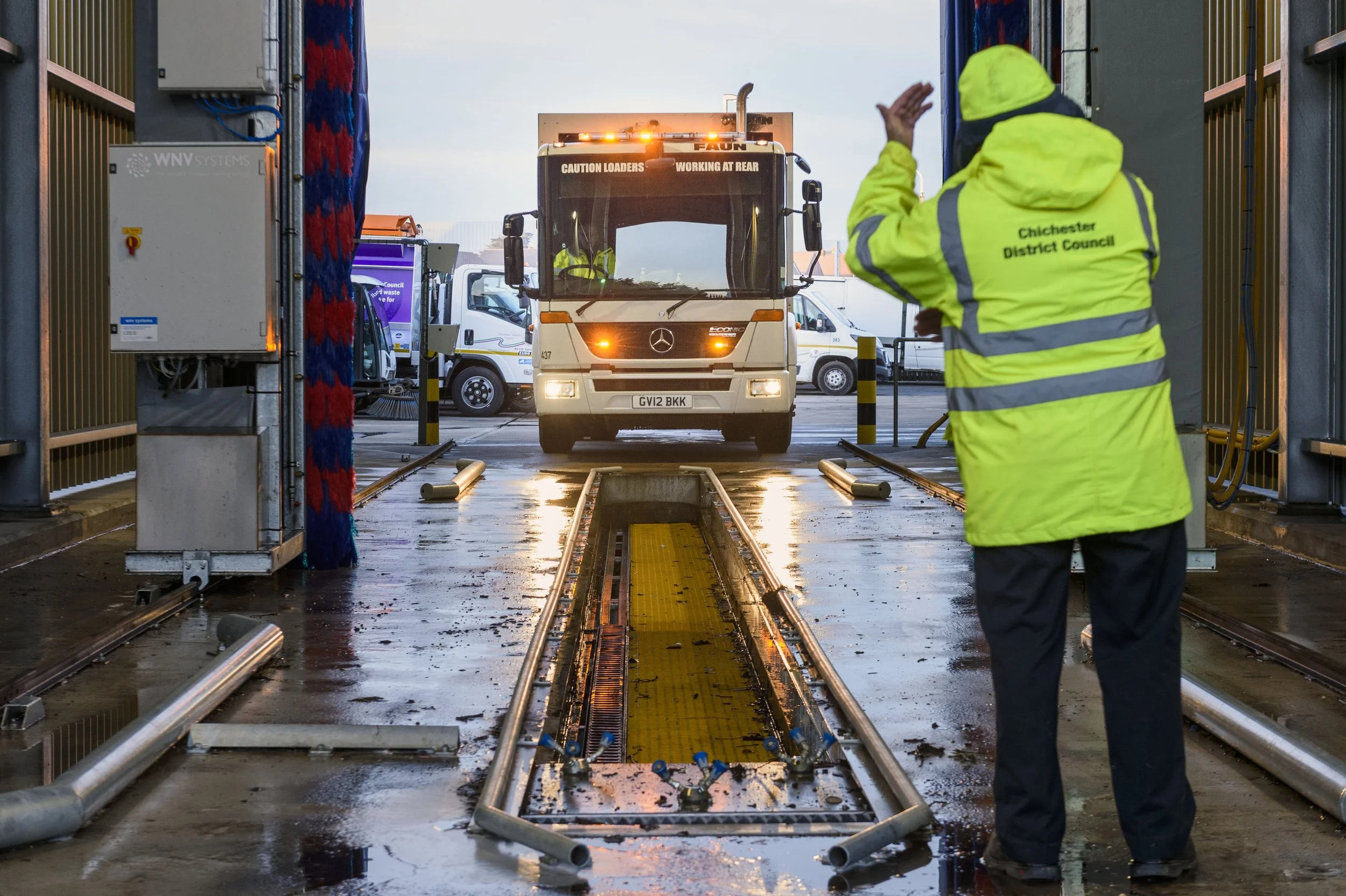
Water reclamation was incorporated into the facility from the outset. The design required a substantial collection and drainage arrangement to capture water used during washing and direct it towards the reclamation system for treatment and reuse.
The civil engineering works included a pit measuring approximately 1.5 metres deep and 18 metres long, incorporating safety flooring and serving as the water collection arrangement. The wash-bay floor was designed to fall towards the central pit, supporting the collection of wash water.
The reclamation equipment was installed in a dedicated plant room and designed to work alongside the automatic under-chassis wash system. The specified performance target was to recycle up to 95% of retained water.
A facility for internal and external users
To support the council's plan to offer washing services to commercial operators, WNV incorporated a dual card and code reader into the installation.
This allows authorised external users to access and operate the facility automatically, providing a practical way to make the equipment available beyond the council's own fleet operations.
The feature supports the council's wider objective of making better use of its investment by creating the potential for an additional revenue stream.
Installation and Commissioning
The project began with detailed design work to coordinate the washing equipment, building footprint, drainage, water reclamation plant and access arrangements.
WNV worked alongside the architects to develop the overall wash-bay layout and establish the civil works required to accommodate the equipment. Once the groundworks were completed, the building framework was erected and the washing systems and supporting equipment were installed.
The water reclamation unit was housed within the dedicated plant room, while the card and code access system was incorporated to support third-party use.
Following installation, the equipment was commissioned and tested before customer sign-off. WNV also worked closely with the council to help identify the most effective operating approach for the variety of vehicles the facility was expected to accommodate.
The Results
The completed facility has given Chichester District Council a modernised approach to vehicle washing, bringing together automated cleaning, under-chassis washing and water reclamation within a single purpose-designed installation.
The system provides the council with greater flexibility when cleaning its own fleet, with equipment capable of accommodating a wide variety of commercial vehicle types. The combination of rollover washing and high-pressure cleaning also allows the facility to address different vehicle shapes and cleaning requirements.
Automated under-chassis washing provides an additional cleaning capability, while reducing the need for staff to carry out this work manually. The integrated reclamation system supports the council's objective of reducing freshwater consumption, with a specified capability to recycle up to 95% of retained water.
The facility's design also creates an opportunity beyond the council's internal operations. With a dedicated building, integrated equipment and automatic access for external users, the council can advertise the facility to third-party operators and seek to generate additional revenue from its investment.
Following commissioning and customer sign-off, the installation proved successful in meeting the project's requirements. The result is a versatile washing facility designed to support the council's day-to-day fleet operations while providing scope for wider commercial use.
Customer Testimonial
“We are really pleased with WNV as an experienced partner. Following a seamless installation, they helped us identify how to best operate the system for the many different vehicle options we were planning and proved to be very proactive in this regard.”
Kevin Carter
Chichester District Council
Ongoing Support and Future Development
WNV Systems continues to support Chichester District Council following the installation, providing ongoing service and maintenance to help keep the facility operating effectively.
Future development plans include exploring the integration of automatic number plate recognition (ANPR) technology. This could further support the management of external users and help streamline access to the facility as the council develops its commercial offering.
A Complete Vehicle Washing Solution from WNV Systems
The Chichester District Council project demonstrates how an integrated vehicle washing facility can serve both public-sector fleet requirements and wider commercial opportunities.
By combining automated external washing, under-chassis cleaning, water reclamation and controlled access for third-party users, WNV Systems delivered a solution designed around the council's existing operational challenges and longer-term ambitions.
For local authorities planning a depot redevelopment or looking to modernise their fleet washing arrangements, WNV can help develop a facility that considers vehicle types, cleaning requirements, water management, site constraints and future operational needs.