
WNV explains how moving to an automated system with a water reclaim could aid in freshwater use, increasing sustainability initiatives.
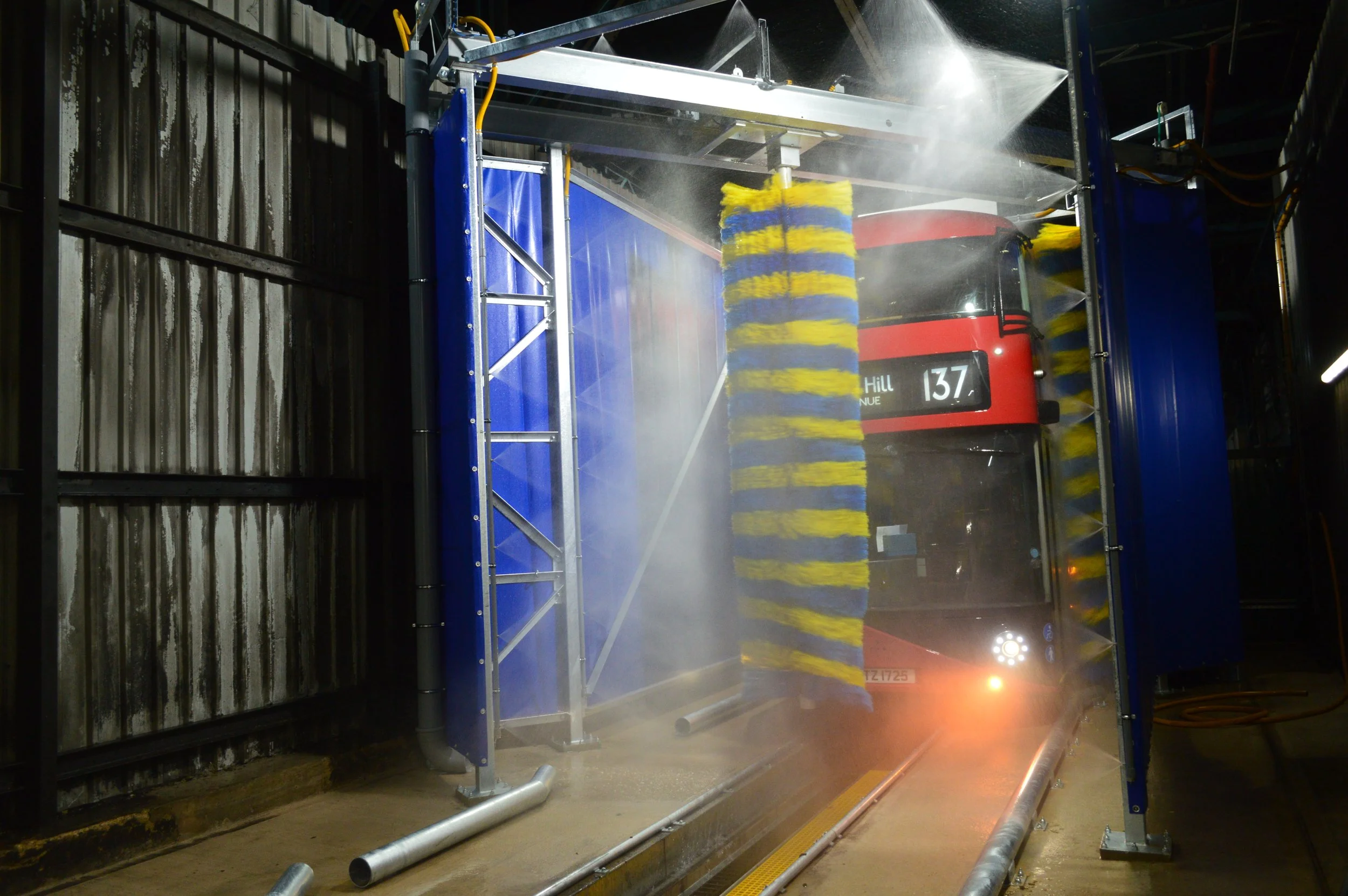
Water is an essential part of keeping commercial vehicles clean, but for businesses operating large fleets, the amount used across a busy depot can quickly add up.
Bus and coach operators, local authorities, refuse collection companies and other commercial fleet operators may wash vehicles daily to maintain cleanliness, support operational requirements and present a professional image. However, without a clear understanding of how much water is being used, it can be difficult to identify opportunities to improve efficiency and control costs.
Reducing water consumption does not necessarily mean compromising on cleaning standards. By reviewing existing washing practices, improving wash-bay design and considering water reclaim technology, fleet operators can explore ways to make better use of the water available to them.
So, where should you start, and how can a water reclaim system help?
Start by understanding how much water your fleet uses
Before investing in new equipment or making changes to your washing process, the first step is to establish how much water your operation currently consumes.
Without this baseline, it is difficult to assess potential savings or determine whether an investment in water-saving technology is likely to deliver meaningful benefits.
Start by looking at a few key areas like the volume of vehicles washed each day, the type of wash systems used and how programmes are selected, whether water usage is metered and whether wash water is currently collected and reclaimed. These details help build a picture of how water moves through your washing operation and where improvements might be possible.
For example, a bus depot washing a large number of vehicles every day will have a different water consumption profile from a local authority that washes a mixed fleet less frequently. The number of vehicles washed, the equipment used and the requirements of each wash cycle will all influence overall demand.
If you do not have access to direct measurements, the equipment manufacturer's estimated water consumption can provide a useful starting point. These figures should then be assessed against actual operating conditions, including the number of vehicles washed and the programmes used.
The aim is to establish a realistic picture of current consumption before estimating what could be saved.
Review your wash-bay design and operating practices
Water reclaim technology can play an important role in reducing freshwater demand, but it is not the only factor worth considering.
Before replacing existing equipment, review how your wash bay operates. Small inefficiencies in the washing process can contribute to unnecessary water use, while a poorly planned layout can make water collection and reuse more difficult.
Spray nozzles and water flow
Check the condition, flow rates and orientation of spray nozzles. Equipment that is not operating as intended may distribute water inefficiently or deliver a less effective clean.
Wash-cycle duration
Consider whether your current wash programmes are appropriate for the vehicles being cleaned. Cycle settings should reflect the equipment, vehicle types and cleaning requirements rather than using more water or time than necessary.
Repeat washing and excessive rinsing
Investigate whether vehicles regularly require additional passes or rinsing. Understanding why repeat washing occurs may help identify opportunities to improve the process.
Drainage and water collection
Consider how water is collected after it has been used. Effective drainage and collection arrangements are important when wash water is intended for treatment and reuse.
Vehicle movements and bay layout
A well-planned wash bay should allow vehicles to move through the process efficiently. The relationship between the washing equipment, drainage, collection areas and treatment plant is particularly important when planning a new installation or upgrading an existing facility.
These considerations should be assessed together. For example, installing a reclaim system without accounting for drainage and collection requirements could limit how effectively the wider installation operates.
The appropriate improvements will depend on your existing installation, so it is worth understanding the current process before deciding which changes are necessary.
How does a vehicle wash water reclaim system work?
A water reclaim system is designed to collect used wash water, treat it and return suitable water to selected stages of the washing process.
Rather than relying entirely on fresh water for every wash, the system allows recovered water to be reused where its quality is appropriate.
Although the design and treatment capability of reclaim systems vary, the basic process follows several stages.
Step 1: Collect the wash water
Water used during washing is collected through a suitably designed drainage system.
The collection arrangements need to work with the wash equipment and the layout of the wash bay to ensure that water can be directed towards the treatment system.
Step 2: Treat the collected water
The collected water passes through treatment stages selected for the contaminants present.
Depending on the application, used wash water may contain dirt, grit, oils and other materials removed from vehicles. The treatment process needs to account for these contaminants and the intended reuse of the water.
Step 3: Remove unwanted material
Solids and other unwanted substances are removed to the level required for the intended application.
Treatment methods vary. Some systems use separation and filtration, while other applications may require more advanced treatment to achieve the necessary water quality.
Step 4: Store and reuse the treated water
Following treatment, suitable water can be stored and returned to selected stages of the washing process.
This reduces the need to draw entirely on the incoming freshwater supply for those stages.
Step 5: Introduce fresh water where required
Fresh water can still be supplied to wash stages where a higher water quality is needed.
The objective is not necessarily to reuse every drop of water for every part of the wash cycle. Instead, it is to recover water and use it where its quality meets the requirements of the process.
The design of the reclaim system should therefore be considered alongside the wash equipment, the cleaning programmes and the quality of water needed at each stage.
For fleet operators, this is an important distinction. A reclaim system is not simply a matter of collecting water and putting it straight back into the wash. Effective reuse depends on suitable collection, treatment, storage and integration with the washing equipment.
Why does water quality matter when reusing wash water?
Recovering water is only part of the process. The quality of that water and its suitability for reuse are equally important.
Not every stage of a vehicle wash requires the same water quality. However, reclaimed water must be treated appropriately for its intended application.
The level of treatment required will depend on several factors.
The contaminants present
Water collected after washing may contain grit, dirt, oils and other contaminants. The treatment system must be designed around the materials likely to be present in the operation.
The intended wash stage
Water suitable for an initial wash or under-chassis cleaning may not be suitable for a final rinse, where spotting or the finished appearance of the vehicle is important.
This is why reclaim systems should be designed around the requirements of the washing process, rather than assuming the same treated water can be used everywhere.
The condition of incoming vehicles
A vehicle carrying heavy deposits of dirt or other contamination may introduce different treatment demands from a vehicle requiring a lighter clean. The operating conditions and nature of the fleet should therefore inform the system design.
Cleaning chemicals
The cleaning products used in the wash process need to be compatible with the reclaim system. Chemical selection and water treatment should be considered together to help ensure the system performs as intended.
Ongoing maintenance
Filters, tanks and treatment components need appropriate maintenance. Without it, the quality of reclaimed water and the effectiveness of the system may be affected.
The important point is that reclaim systems do not all produce the same water quality. Their capabilities depend on their design, treatment stages and operating conditions.
When assessing a system, fleet operators should establish which stages of their wash process can use reclaimed water and what treatment is required to support that use.
What are the operational and financial benefits of water reclaim?
For commercial fleets, reducing freshwater consumption can offer both operational and financial advantages. However, the potential benefits will depend on how the system is designed and how the site operates.
Potential operational benefits
Reusing suitable treated water can reduce the volume of fresh water needed for selected wash stages. The potential reduction will depend on the equipment, washing volumes and reclaim system's performance.
Where water is collected and reused, the volume of wastewater discharged may also decrease. The extent of this reduction depends on the installation, the treatment process and how the washing operation is managed.
A reclaim system can form part of a more systematic approach to managing water throughout the wash bay, from collection and treatment to storage and reuse.
For sites where water use is an important operational consideration, reducing dependence on incoming freshwater supplies may help support wider water-management objectives.
Water reclaim may also create opportunities to reduce operating costs.
These can include lower incoming water costs as freshwater demand decreases, potentially lower wastewater or sewerage charges, depending on the site's tariff and discharge arrangements and opportunities to reduce overall washing-related operating costs over time.
However, these benefits need to be weighed against the cost of purchasing and installing the system.
Other considerations include site modifications, energy consumption, maintenance, replacement filters, treatment components and any required sludge or waste disposal.
A reduction in water consumption does not automatically mean an investment will pay for itself quickly. The business case depends on the site's existing water use, local water and wastewater charges, installation costs and ongoing maintenance requirements.
For this reason, fleet operators should base their calculations on realistic site-specific information rather than relying on a headline percentage or a generic payback estimate.
Understanding current consumption, washing volumes and associated costs provides a more reliable starting point for assessing the financial case.
How do you choose the right water reclaim solution for your fleet?
There is no single water reclaim solution that will suit every commercial fleet. The right approach depends on the vehicles being washed, the equipment in use and the practical requirements of the site.
Before selecting a system, consider the following factors.
Fleet size and washing volumes
How many vehicles need to be washed, and how frequently? This helps establish the potential demand for water and the opportunities for reuse.
Vehicle types and cleaning requirements
Buses, coaches, trucks, refuse collection vehicles and other commercial vehicles can have different washing requirements. The system needs to suit the vehicles and the cleaning process.
Existing wash equipment and programmes
If you already have an automated wash system, the reclaim solution needs to be considered alongside its water consumption, cycle settings and requirements.
Available space
Tanks, filtration equipment and treatment plant require suitable space. This should be assessed early, particularly where an existing wash bay is being upgraded.
Drainage, water supply and site infrastructure
The available drainage arrangements, incoming water supply and wider site infrastructure will influence what can be installed and how the system can operate.
Required reclaimed-water quality
The treatment process must be appropriate for the stages of the wash cycle where recovered water will be reused.
Maintenance and operating costs
Consider the ongoing requirements of the system, including maintenance, filters, treatment components and energy consumption, alongside the expected reduction in water use.
It is also important to consider whether the reclaim system is being incorporated into a new wash bay or retrofitted to an existing facility. These scenarios can present different practical requirements and installation options.
For example, a busy bus depot washing vehicles every day may have a very different water-use profile from a local authority washing a varied fleet intermittently. The most appropriate solution will depend on the actual operating conditions, not simply the number of vehicles owned.
At WNV Systems, water reclaim capability can be considered as part of a wider commercial vehicle washing solution. Looking at the washing equipment, site layout and water-management requirements together helps establish which options may be appropriate for the operation.
The starting point should always be a clear understanding of the existing process and the improvements you want to achieve.
Take the next step towards a more water-efficient wash operation
Reducing water consumption across a commercial fleet begins with understanding how your wash bay currently operates.
By establishing a baseline for water use, reviewing washing practices and assessing the potential for water reclaim, fleet operators can make more informed decisions about where improvements may be possible.
The most appropriate solution will depend on your vehicle volumes, existing equipment, water quality requirements, site infrastructure and the costs associated with incoming water and wastewater.
For some operations, reviewing existing practices may identify opportunities to improve efficiency without replacing the washing equipment. For others, integrating a suitable water reclaim system into a new installation or upgrading an existing wash bay may be worth investigating.
The important thing is to assess the whole operation before committing to an investment.
Looking to reduce freshwater use across your fleet?
Contact WNV Systems to discuss your current washing equipment, water consumption and plans for a new installation. Our team can help you explore whether a suitable water reclaim solution could support your operational and water-efficiency objectives.